How Body Contouring Farmington Hills Supports a More Defined Appearance
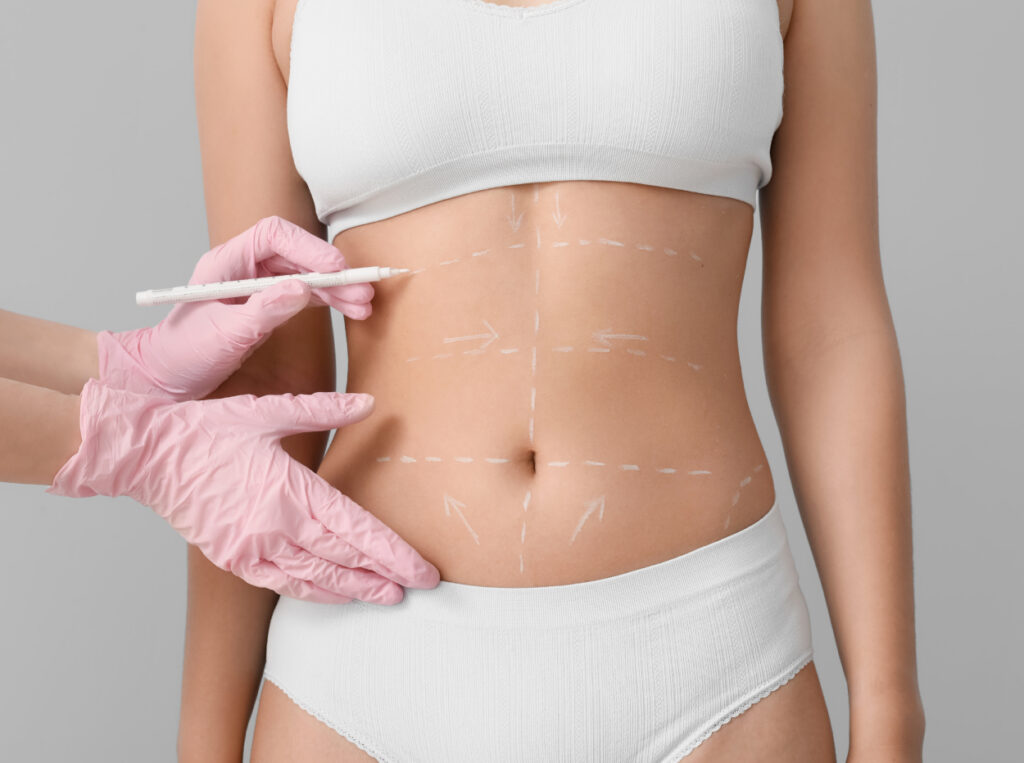
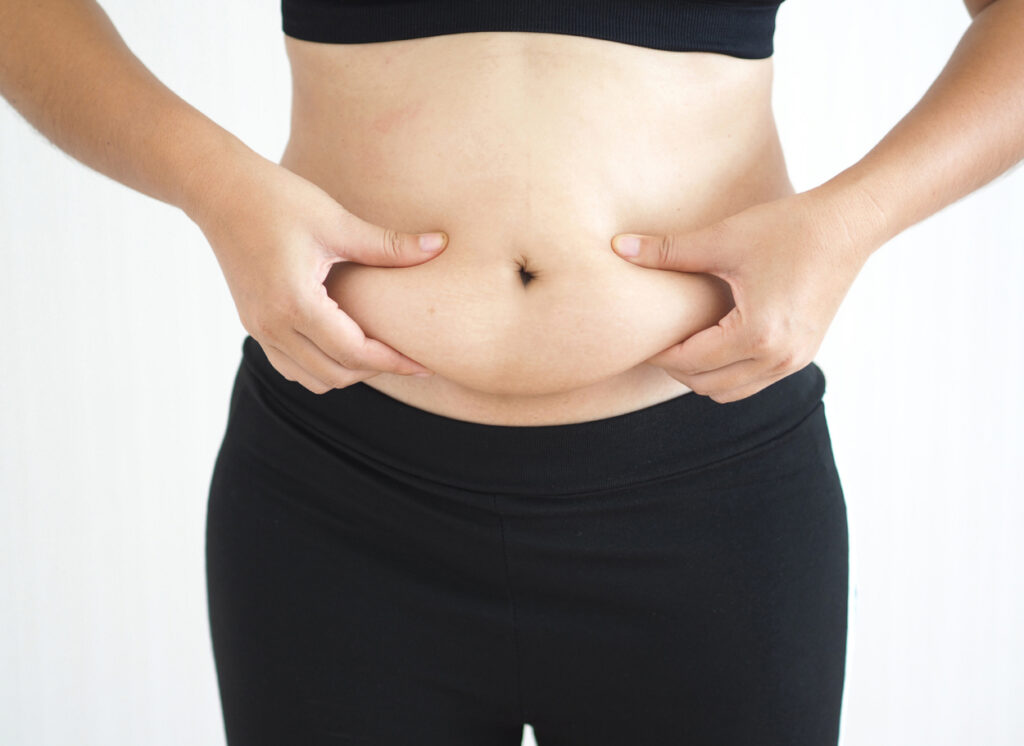
A more defined appearance usually comes down to proportion, not perfection. That is one of the first things patients learn when they sit down to talk about body contouring. Most are not asking to look like someone else. They want their shape to match the effort they already put into eating well, staying active, and taking care of themselves. They notice a lower abdomen that never fully tightens after pregnancy, flanks that hold on to fullness despite steady weight loss, or upper arms that feel out of step with the rest of the body. Body contouring can help in those situations because it focuses on shape, contour, and silhouette rather than the number on the scale.
In a place like Farmington Hills, where patients range from busy professionals and parents to retirees and fitness-minded adults, the interest in body contouring tends to be practical. People want to know what it can realistically change, how long recovery might take, and whether the result will look natural in everyday life. Those are the right questions. The value of body contouring is not only cosmetic. It often restores balance after major body changes and helps clothing fit in a way that feels more comfortable and consistent.
What body contouring is actually designed to do
Body contouring is a broad term, and that can create confusion. Some people use it to describe nonsurgical treatments that target small pockets of fat. Others mean surgical procedures that remove fat, tighten tissue, or address loose skin. The common thread is refinement. Body contouring is meant to improve how the body is shaped, especially in areas that have not responded fully to diet and exercise or have changed due to age, weight loss, or pregnancy.
That distinction matters because body contouring is not a substitute for overall weight management. A patient who is 10 to 20 pounds from a stable goal weight and bothered by a stubborn contour issue is often a much better candidate than someone hoping a single treatment will dramatically reduce body size. In practice, the best outcomes usually come when the person is already fairly close to their natural baseline and wants targeted improvement.
In consultations, this comes up all the time. Someone may say, “I am healthy, I work out, but my midsection still looks soft,” or “I lost weight, but now I have loose skin that makes me look heavier than I am.” Those are very different concerns, and they call for different approaches. Fat reduction can improve one problem. Skin laxity may require another solution entirely. Muscle tone, scar tissue, previous surgeries, and genetics also influence what is possible.
Why definition matters more than size
People often assume that a more defined appearance means smaller measurements. Not always. Definition can come from subtle changes. A waist may look more pronounced when the flanks are reduced. The lower abdomen may appear flatter when skin is tightened or localized fullness is removed. The upper back can look smoother in clothing even if the actual inch difference is modest.
That is why body contouring can have an outsized visual effect. The eye notices transitions. A smoother line from the waist to the hip, less fullness at the bra line, or a firmer contour through the lower stomach can change how the entire figure reads. It is similar to tailoring a jacket. The fabric may be the same, but the fit changes the impression completely.
This is especially relevant for patients exploring Body Contouring Farmington Hills services because many are not chasing https://lanewoht447.wordcanopy.com/posts/what-to-expect-from-your-body-contouring-farmington-hills-journey dramatic transformation. They want refinement that looks believable. The strongest results are usually the ones other people cannot quite identify. They just make the person look fitter, more rested, or more proportional.
The body areas that tend to respond well
Some body regions are frequent sources of frustration because they are heavily influenced by genetics, hormones, and age. A patient can have excellent habits and still carry localized fullness in predictable places. Body contouring often focuses on these areas:
- abdomen and lower stomach
- flanks, sometimes called love handles
- thighs, especially inner thighs
- upper arms
- under the chin or along the jawline
That list is not exhaustive, but it reflects some of the most common treatment requests. The lower abdomen is perhaps the area that prompts the most emotionally loaded conversations. Many patients have a strong memory of what their waistline looked like before pregnancy, before a major weight change, or simply 10 years earlier. They do not expect to turn back time. They do hope to recover some structure.
Flanks are another example. Even a small reduction there can sharpen the waist. It is one of those areas where modest contouring often creates a larger visual payoff than patients expect. By contrast, the thighs can be more nuanced. Aggressive treatment in the inner thigh or outer thigh can backfire if skin elasticity is limited. Experienced providers tend to be more conservative in those areas because smoothness matters as much as reduction.
The difference between fat reduction and skin tightening
One of the biggest mistakes people make is assuming all contour issues come from excess fat. In reality, loose skin, weakened connective tissue, or muscle separation can create a softer shape even when body fat is relatively low. This matters because the wrong treatment can leave a patient disappointed even if the procedure technically “worked.”
Think about someone after weight loss. They may have done everything right and still feel frustrated by the lower abdomen. If the main issue is lax skin, removing a small amount of fat may not deliver a firmer look. In some cases, it can even make skin redundancy more noticeable. On the other hand, a younger patient with good elasticity and a discrete pocket of fat may respond very well to a targeted reduction approach.
This is where experienced clinical judgment makes a real difference. Good body contouring is not just about operating a device or performing a technique. It is about identifying the structure of the problem. Is the issue volume, skin, tissue support, or a mix of all three? The answer shapes the treatment plan and also the conversation about outcomes.
Why candidacy matters so much
Body contouring rewards selectivity. The right candidate often gets a satisfying result with a clear improvement in body lines. The wrong candidate may feel underwhelmed, not because the treatment failed, but because the chosen method could not solve the actual concern.
Stable weight is one of the strongest predictors of a good experience. If someone is still in the middle of significant weight loss or frequent weight fluctuation, timing may not be ideal. Pregnancy plans also matter. A patient who intends to become pregnant soon may reasonably decide to postpone contouring of the abdomen. Smoking, certain medical conditions, and healing history should also be reviewed carefully.
Equally important is psychological readiness. Patients do best when they can hold two ideas at once: this can make a meaningful improvement, and it will not create a different body entirely. That balanced mindset tends to produce greater satisfaction. The most challenging consultations are not usually about anatomy. They are about expectations that are too vague or too absolute.
What the consultation should feel like
A thorough consultation is rarely rushed. It should include an exam, a discussion of goals, a review of health history, and a frank explanation of options. When the process is done well, the patient comes away with a clearer understanding not only of what could help, but also of what is not worth doing.
There are a few questions worth bringing to the appointment:
- What is causing the contour concern, fat, skin laxity, or both?
- Am I a better fit for a nonsurgical or surgical approach?
- What level of improvement is realistic for my anatomy?
- How much recovery time should I actually plan for?
- If I maintain my weight, how durable are the results?
Those questions help cut through marketing language. In real practice, body contouring decisions are rarely one-size-fits-all. A patient may come in asking for one treatment because they saw it online, then learn that another approach would be safer or more effective for their tissue quality and goals. That is not a sales tactic when handled ethically. It is what informed care looks like.
Surgical and nonsurgical approaches serve different needs
Nonsurgical body contouring has appeal because it usually involves less downtime. For the right candidate, it can soften a small bulge or improve a minor area of fullness without incisions. These treatments are often best for people who are already close to their goal shape and want limited correction.
Surgical contouring generally offers a stronger and more predictable change, especially when larger fat deposits, looser skin, or structural reshaping are involved. It also carries more recovery, higher upfront commitment, and greater need for planning. Patients balancing work and family responsibilities often underestimate this part. Even when they are motivated, recovery still requires time, patience, and some flexibility.
There is no universal “best” choice. The best option is the one that fits the anatomy, the desired degree of change, and the patient’s life circumstances. A busy executive may prefer a more gradual nonsurgical improvement because taking extended time off is unrealistic. Another patient may choose one well-planned surgical procedure because they want the most visible correction and are prepared for the recovery.
Recovery influences satisfaction more than most people expect
Results matter, but so does the recovery experience. If patients are unprepared for swelling, compression garments, temporary unevenness, or the emotional ups and downs of healing, they can become discouraged before the final result has even had time to emerge.
This is especially true with body contouring because definition often appears gradually. Early swelling can blur the very shape a patient is waiting to see. Some areas settle quickly, while others take weeks or months to refine. Anyone considering Body Contouring Farmington Hills services should expect a timeline measured in stages rather than overnight change.
A practical example helps. A patient may see early improvement in clothing fit within a few weeks, then continue to notice better shape over the next two to three months as swelling decreases. If skin remodeling is part of the process, the final contour may continue to sharpen beyond that point. This does not mean every case follows the same schedule. It means patience is part of the treatment.
Compression, movement, hydration, and adherence to aftercare instructions all influence how smoothly recovery goes. They do not replace the quality of the procedure itself, but they matter. In my experience, the patients who recover best are usually the ones who planned ahead. They arranged help if needed, adjusted work commitments, and understood that “feeling okay” and “being fully healed” are not the same thing.
The role of skin quality in achieving a defined look
Skin quality is often the quiet variable behind a good result. Elastic skin tends to redrape more smoothly after volume is reduced. Thinner, looser, or sun-damaged skin may not contract the same way. Age is part of this, but it is not the whole story. Weight cycling, pregnancy, genetics, and collagen changes all play a role.
This is why two people with similar measurements can have very different outcomes from the same treatment. One person’s tissues may tighten nicely. Another may need a different strategy to avoid residual looseness. Honest providers talk about this early because it shapes expectations. Patients usually appreciate that kind of candor, especially if they have spent months wondering why exercise alone did not solve the issue.
A more defined appearance comes from harmony between reduced fullness and smooth tissue support. If the contour is smaller but the skin drapes irregularly, the result may not feel as polished. This is one reason subtle treatment plans often age better than overly aggressive ones. The eye tends to prefer natural transitions over abrupt hollows or over-reduced areas.
Body contouring after pregnancy or weight loss
Two groups often seek contouring for particularly understandable reasons: postpartum patients and people who have lost a substantial amount of weight. Both may have worked hard to change their bodies, yet still see physical reminders that diet and exercise cannot fully erase.
After pregnancy, the lower abdomen and waistline are common concerns. Some women describe feeling strong and healthy but disconnected from their shape in fitted clothing. They are not asking for a fantasy version of their pre-pregnancy body. More often, they want to feel more at home in their own frame. If tissue laxity, stretched skin, or persistent fullness remains, body contouring can be part of that process.
After weight loss, the conversation shifts slightly. Patients may feel proud of the progress but frustrated that loose skin masks it. It is not unusual for someone to say, “I lost the weight, but I still do not look like I expected.” That can be physically uncomfortable and emotionally draining. In these cases, body contouring is less about vanity than about finishing a chapter that took real discipline to write.
Choosing the right provider in Farmington Hills
The quality of the provider matters as much as the treatment itself. Body contouring is not just a technical service. It is a visual and anatomical judgment call, and details matter. Over-treatment can create irregularity. Under-treatment can leave little visible change. The best work usually reflects restraint, planning, and an understanding of proportion.
When comparing providers, pay attention to how they discuss limitations. Confidence is good. Certainty without nuance is not. If every patient is promised a dramatic result or every concern is treated as simple, that should raise caution. Bodies are variable. Tissue quality is variable. Healing is variable. A credible consultation reflects that reality.
It is also worth looking at before-and-after photos with a critical eye. Focus less on the most dramatic image and more on consistency. Do the results look balanced across different body types? Do the contours appear smooth and natural? Does the provider seem to understand when small improvements are enough and when bigger intervention is warranted?
Local convenience can be helpful, especially for follow-up care. That is one reason many patients prefer to explore Body Contouring Farmington Hills options close to home. Recovery often involves more than one visit, and accessible aftercare reduces stress. Still, convenience should support the decision, not drive it. Skill, communication, and appropriate candidacy come first.
How to make results last
Body contouring can improve shape, but long-term maintenance still depends on habits. The good news is that patients who sought contouring for the right reasons are often already living in a way that supports their result. They are active, weight-stable, and paying attention to nutrition, sleep, and stress.
Weight gain after contouring can affect the treated and untreated areas alike. So can aging, pregnancy, and hormonal shifts. That does not erase the benefit of the original procedure, but it can soften it over time. Most patients do best when they think of body contouring as one part of a broader strategy rather than a stand-alone fix.
There is also a psychological piece that deserves mention. When people finally address a contour issue that has bothered them for years, they often become more comfortable wearing certain clothes, participating in social events, or simply seeing themselves in photos. That confidence boost is real, but it tends to feel most stable when it rests on a realistic foundation. Body contouring can refine appearance. It does not need to carry the burden of changing someone’s entire relationship with self-worth.
A more defined appearance should still look like you
The most successful body contouring does not announce itself. It brings the body into better proportion, smooths what looked resistant or out of sync, and helps the person look more like the version of themselves they expected to see after all the effort they had already made.
That is the real strength of body contouring. It is not about chasing flawlessness. It is about narrowing the gap between how someone feels and how their shape presents. For the right candidate, with the right plan and the right provider, that can be a meaningful shift. Clothes sit better. Angles look cleaner. The mirror becomes less of a negotiation.
For patients considering Body Contouring Farmington Hills, the smartest starting point is not a trend or a dramatic promise. It is an honest assessment of anatomy, goals, and timing. Defined results come from thoughtful decisions, not shortcuts. When the process is approached that way, body contouring can support a sharper, more balanced appearance that feels natural, durable, and genuinely personal.
Aesthetic Plastic Surgery & Laser Center, Michelle Hardaway M.D.
Address: 27920 Orchard Lake Rd, Farmington Hills, MI 48334
Phone number: +12482211957
FAQ About Body Contouring Farmington Hills
What does body contouring actually do?
Body contouring (or body sculpting) eliminates stubborn localized fat, tightens loose, sagging skin, and reshapes your silhouette. It is not a weight-loss tool, but rather a cosmetic procedure used to refine and tone specific trouble spots after major weight loss, pregnancy, or aging.
How much does body contouring usually cost?
The total cost of body contouring usually ranges from $2,000 to $25,000+ depending entirely on whether you choose non-surgical sessions or major surgical procedures.
Because "body contouring" covers everything from simple fat-freezing to comprehensive post-weight-loss surgeries, pricing is heavily categorized by the method used.
What is the best type of body contouring?
Liposuction is a huge topic and worth discussing in more detail, but in terms of body contouring and sculpting, nothing does the job better than liposuction, particularly VASER liposuction.