How to Support Long-Term Results After Liposuction Farmington Hills
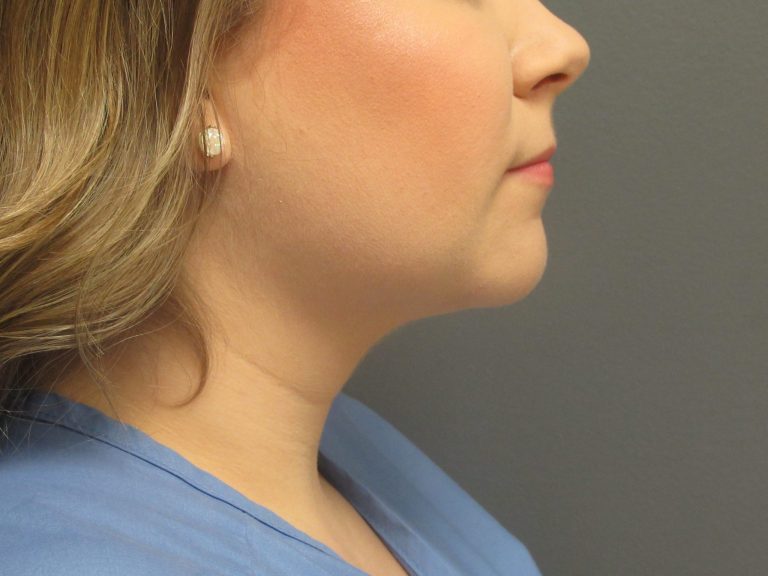
Liposuction can create a meaningful change in body contour, but the procedure is only one part of the story. The patients who hold onto their results for years usually understand a simple truth: liposuction removes fat cells from targeted areas, but it does not replace the daily habits that influence body weight, muscle tone, swelling, posture, and skin quality. If you are planning a procedure, or you have recently had one, it helps to think beyond the operating room and focus on the months and years that follow.
That point matters for anyone considering Liposuction Farmington Hills because expectations tend to be shaped by dramatic before and after photos. Those images can be helpful, but they do not show the discipline behind the long-term outcome. They do not show the patient who keeps walking even when Michigan weather turns ugly, who learns to eat in a way that feels sustainable, or who follows compression instructions even when the garment is inconvenient. They also do not show the patient who assumes the surgery did all the work, gains twenty pounds over two years, and wonders why their silhouette no longer matches the early result.
Long-term success is usually less about perfection and more about stability. A body that stays within a relatively narrow weight range tends to preserve contour better than one that cycles up and down. Good circulation, steady activity, adequate protein, and patience during healing all play a role. So does judgment. There are seasons when strict routines break down, such as after a new baby, during perimenopause, after a knee injury, or while caring for an aging parent. What protects results in real life is not rigid control. It is the ability to recover your rhythm before short-term disruption becomes your new baseline.
What liposuction changes, and what it does not
Liposuction reduces fat in specific areas. It can improve proportions in the abdomen, flanks, thighs, back, upper arms, under the chin, and other common treatment zones. When performed well and paired with appropriate skin elasticity, it can create cleaner lines and better definition. Many patients say clothes fit more predictably afterward. Waistbands sit flatter. Tailored jackets close more easily. A dress that always pulled across the hips suddenly hangs the way it was meant to.
What liposuction does not do is freeze your body in time. Remaining fat cells can still enlarge if you gain weight. Aging still affects skin. Hormonal changes still influence body composition. Muscle loss can still soften the shape of the body, even if body weight stays fairly stable. This is where many people need a more grounded perspective. The procedure improves contour, but the body remains responsive to every familiar variable: sleep, stress, alcohol intake, total calories, protein intake, strength training, activity level, medications, and genetics.
There is also the issue of swelling. Early after surgery, people often judge their outcome too soon. One patient may look close to final at six weeks, while another still feels puffy and uneven at three months. This does not necessarily mean something is wrong. Swelling can linger, especially in the lower abdomen, flanks, and inner thighs. The final result often comes into focus gradually, not all at once. Understanding that timeline prevents a lot of unnecessary frustration.
The first months matter more than most people expect
The habits you keep during the initial recovery period often shape the quality of the long-term result. This is the stage when tissues are settling, fluid shifts are active, and your body is working hard to heal. It is not glamorous. Most patients are focused on discomfort, sleep position, drainage, bruising, and when they can put on normal clothes again. Yet this is exactly when consistency counts.
Compression garments are one example. Patients tend to either wear them diligently or fight them the entire way. The people who do best usually treat compression like any other medical instruction. They do not rely on mood. They understand that steady use can help control swelling and support tissue adherence during healing. That does not mean every patient needs the same garment schedule. Surgeons differ, and treatment areas differ, so the details should come from your operating surgeon. But the bigger point holds. If you are casual with aftercare, you may pay for it with a slower, bumpier recovery.
Walking is another overlooked tool. Not intense workouts, just regular movement. Short walks improve circulation, reduce stiffness, and help patients feel human again. I have seen people make recovery harder by staying too sedentary out of fear, and I have seen others do the opposite, returning to high-intensity exercise before their body is ready. Neither extreme works well. The best approach is controlled progression.
Hydration, bowel regularity, and protein intake also deserve more respect than they usually get. After surgery, appetite can be inconsistent. Some patients eat very little for a few days, which is understandable, but if that stretches on, healing can suffer. You do not need a perfect wellness routine. You do need enough fluid and enough nourishment to support tissue repair.
Weight stability protects contour
If there is one predictor of lasting satisfaction after Liposuction Farmington Hills, it is probably weight stability. Not a number pulled from thin air, but a realistic range that you can maintain without misery. Patients who keep their weight within about five to ten pounds of their post-recovery baseline tend to preserve their contour better than those who swing far above and below it.
This is where practical honesty matters. If your usual pattern is to restrict aggressively, lose fifteen pounds, then rebound twenty, liposuction will not fix that cycle. In fact, body contouring can sometimes create a false sense of security that delays the hard work of building sustainable habits. A patient may think, “My stomach is flatter now, so I can loosen up.” That works for a little while, until the scale climbs and other areas start to change.
Stable weight does not require obsessive calorie counting forever. For many people, it means a few plain habits repeated often enough that they become default behavior. Protein at most meals. Restaurant meals treated as occasional, not automatic. Alcohol kept within reason. Fiber, water, and some awareness of portion size. If you have never built those habits before surgery, now is the time to start. If you already have them, surgery becomes easier to maintain.
An important nuance here is that body weight alone is not the whole picture. Two people can weigh the same and look very different based on muscle mass, posture, and where they tend to store fat. Still, large weight gain after liposuction almost always blunts the original improvement. That is why maintenance deserves the same seriousness as the procedure itself.
Exercise should evolve, not restart from scratch
A common mistake after recovery is trying to “go back to normal” instead of building something better suited to the new body and the current stage of life. The best long-term exercise routine is not the most intense one. It is the one you can actually sustain.
Strength training is especially valuable after liposuction because it helps shape the frame underneath the skin. Surgery can reduce fullness in the waist or thighs, but muscle gives structure to the result. Patients who add two to four strength sessions per week often notice that their surgical improvement looks more polished over time. Their posture improves. Their hips and glutes support the silhouette better. Their arms look firmer. Their core feels more stable.
Cardio still matters, of course, but many people overestimate how much intense cardio they need and underestimate the value of basic daily movement. Walking, incline treadmill sessions, cycling, swimming, and consistent low-impact work can support weight stability without beating up the joints. For patients in their forties, fifties, and beyond, that distinction matters. Exercise that causes repeated injury is not a maintenance plan. It is a setback generator.
A practical weekly framework often looks like this:
- Walk most days, even if some walks are short.
- Strength train two to four times each week.
- Add one or two sessions that elevate heart rate without exhausting you.
- Increase activity gradually after setbacks, travel, or busy periods.
- Choose routines you can repeat in February, not just in May.
That framework is simple on purpose. Fancy programs fail all the time because they demand perfect scheduling and perfect motivation. Results after liposuction are better served by boring consistency than occasional heroic effort.
Nutrition has to be realistic enough to survive real life
The patients who maintain results longest are rarely the ones following highly restrictive plans. They are usually the ones who have settled into a style of eating that is structured but flexible. They know how to eat at home, how to handle business dinners, and how to recover from vacations without turning a long weekend into a six-month slide.
Protein deserves special attention because it supports healing, satiety, and muscle maintenance. Many adults, especially women who have spent years dieting, simply do not eat enough of it. Then they wonder why hunger stays high and body composition changes despite “eating healthy.” A breakfast of coffee and fruit, followed by a salad with very little protein, tends to leave people underfueled and prone to late-day overeating. A more supportive pattern might be eggs or Greek yogurt in the morning, a balanced lunch with a real protein source, and a dinner built around fish, chicken, lean beef, tofu, or legumes.
Carbohydrates are not the enemy, but highly processed foods are easy to overconsume, especially when sleep is poor or stress is high. Liposuction patients sometimes expect surgery to create automatic discipline around food. It does not. If anything, feeling more confident in your clothes can make it easier to stop paying attention. That is why a few habits matter so much: grocery staples in the house, some repeat meals that make weekdays easier, and enough planning to avoid running on fumes.
Alcohol also deserves an honest mention. It can increase appetite, reduce sleep quality, and add a surprising amount of weekly calories. I have seen patients maintain great exercise habits while quietly undoing progress through frequent drinks, especially weekend social drinking that feels harmless in isolation but adds up over months. You do not need total abstinence to keep your result. You do need awareness.
Skin quality influences how long results look sharp
People often focus only on fat, but skin quality is a major part of long-term satisfaction. Liposuction can contour underneath the skin, yet the skin itself has to contract and drape well for the result to look crisp. Age, sun exposure, smoking history, genetics, and prior weight fluctuations all affect this.
The maintenance piece is not mysterious, but it is easy to ignore. Stable weight helps prevent repeated stretching and shrinking. Strength training improves the look of the underlying structure. Sun protection matters more than many people think, especially for areas like the chest, arms, and neck. Smoking and nicotine exposure are particularly unhelpful because they affect circulation and tissue quality. Patients who stop smoking before surgery often understand the healing benefit, but the long-term skin benefit is just as important.
There is also the reality that some skin laxity becomes more noticeable with time, even after a technically good procedure. That does not mean the surgery failed. It means bodies age. A patient who had abdominal liposuction at thirty-six may still love the result at forty-three, but also notice that the lower abdomen does not snap back the way it once did Liposuction Farmington HIlls after a big meal or a week off from exercise. Expectations that leave room for normal aging are healthier than expectations built around permanent stillness.
Hormones, medications, and life changes can shift the outcome
One reason long-term maintenance is not always straightforward is that the body changes for reasons unrelated to discipline. Pregnancy, menopause, thyroid disease, insulin resistance, new antidepressants, steroids, injury, and chronic stress can all influence appetite, water retention, or fat distribution. Patients often blame themselves too quickly when a contour changes. Sometimes the issue is not a lack of effort. Sometimes the body is genuinely operating under new conditions.
This is especially relevant for women entering perimenopause and menopause. They may find that the waist thickens more easily, sleep worsens, and recovery from workouts slows down. The same habits that maintained a leaner shape at thirty-two may not produce the same effect at forty-eight. That does not make maintenance impossible. It means the strategy may need updating. More strength training, more recovery, tighter control of alcohol, more protein, and perhaps medical evaluation if weight is shifting rapidly without a clear explanation.
Certain medications can also change things quickly. I have seen patients do almost everything right but gain weight after starting a drug that affects hunger or energy. In those cases, frustration often eases when the pattern becomes visible. Once patients understand what has changed, they can adapt rather than simply feeling defeated.
Follow-up appointments are not just a formality
Patients sometimes treat postoperative visits as optional once they feel mostly fine. That is a mistake. Follow-up allows your surgeon to assess swelling, scar care, contour irregularities, fibrosis, skin retraction, and the pace of healing. Small issues are often easier to address early than late.
Scar management, massage recommendations, compression adjustments, and timing of exercise progression can all affect the course of recovery. Not every patient needs the same interventions. Some heal very smoothly with minimal guidance. Others develop firmness or uneven swelling and benefit from more tailored advice. It is hard to know which category you are in without being seen.
This is one place where local care has real value. Patients seeking Liposuction Farmington Hills often appreciate being able to return to a nearby practice for follow-up rather than trying to manage questions remotely after traveling for surgery. Convenience is not a trivial factor. It increases the odds that patients actually michellehardawaymd.com Liposuction Farmington HIlls show up, and showing up tends to improve outcomes.
The mental side of maintenance is often underestimated
There is a psychological adjustment that comes after body contouring, and it does not get enough attention. Some patients feel a surge of confidence and become more engaged with fitness and self-care. Others become hyperfocused on every tiny asymmetry. Still others expect the procedure to change broader dissatisfaction that was never really about the abdomen or thighs in the first place.
Long-term satisfaction improves when patients understand that liposuction is best viewed as an enhancement, not a cure for body image distress. A flatter waist can feel wonderful. Better-fitting clothes can absolutely improve confidence. But if your baseline is constant scrutiny and disappointment, surgery alone rarely resolves that pattern.
There is also a subtle tendency to “protect the result” so anxiously that it becomes stressful. Patients may panic over a five-pound fluctuation after a vacation, even when much of it is water retention from restaurant food and travel. That kind of overreaction can spiral into restriction and rebound. A steadier response works better. Return to normal meals, hydrate, move, sleep, and reassess in ten days. Bodies are dynamic. Not every short-term change is a true setback.
Warning signs that it is time to reset your habits
It helps to catch drift early. Most people do not wake up one morning having lost their surgical result overnight. The change usually creeps in through small patterns: fewer walks, more takeout, more drinks, less sleep, skipped strength training, looser portion awareness. Then clothes fit differently, and by the time panic sets in, the habits have been slipping for months.
Watch for a few signals that often show up before visible regain becomes obvious:
- Your weight range is creeping up for more than a few weeks.
- You have stopped strength training entirely.
- Most meals are coming from restaurants, drive-throughs, or delivery apps.
- Sleep is consistently short, and cravings are rising with it.
- You are avoiding the scale, fitted clothing, or photos because you suspect change.
Those signs are useful because they call for a reset, not shame. Usually the fix is not dramatic. It is a return to basics before a ten-pound gain becomes a twenty-pound gain.
When touch-ups or additional procedures enter the conversation
Sometimes maintenance is solid and a patient still considers another procedure later. That can happen for legitimate reasons. Aging changes tissue. Pregnancy changes the abdomen. Weight loss after surgery can reveal skin laxity that fat removal alone could not address. A patient may also choose to contour a different area that was not treated the first time.
What matters is discernment. If the issue is primarily lifestyle drift, another procedure will not solve it. If the issue is skin laxity after pregnancies or major weight loss, liposuction alone may not be the best answer. In those cases, a surgeon may discuss alternatives or adjunctive procedures. The goal should be to match the treatment to the actual problem, not to keep chasing a moving target with repeated fat removal.
A good consultation often sounds less sales-oriented than patients expect. The most trustworthy guidance usually includes some version of, “You may not need another procedure yet,” or “This concern is more about skin than fat,” or “Let’s first get your weight stable for several months.” That kind of restraint is a positive sign.
The patients who do best tend to be steady, not extreme
After years of watching how cosmetic surgery results age in the real world, a pattern becomes clear. The best long-term outcomes rarely belong to the most obsessive patients or the most naturally lucky ones. They usually belong to people who are steady. They recover carefully. They keep follow-up appointments. They respect weight stability. They move their bodies most days. They eat like adults who understand trade-offs. They allow life to be life without letting one rough month become a rough year.
That is the real support system behind lasting body contour. Not a miracle supplement, not a detox, not a short burst of motivation. Just steady habits, repeated often enough that the surgical result has something solid to rest on.
For anyone considering Liposuction Farmington Hills, that perspective is worth carrying into the process from the start. Surgery can absolutely improve shape and confidence. It can remove the stubborn pockets that resisted months or years of effort. But the most satisfying result is not the one that looks best at six weeks. It is the one that still looks good, and still feels like you, several years later.
Aesthetic Plastic Surgery & Laser Center, Michelle Hardaway M.D.
27920 Orchard Lake Rd
Farmington Hills, MI 48334
(248) 221-1957
FAQ About Liposuction Farmington Hills
What disqualifies you from getting liposuction in Farmington Hills?
A surgeon may recommend postponing or avoiding liposuction if a health condition, medication, or nicotine use raises the risk of surgery or poor healing. A consultation is needed to assess your medical history and whether the procedure fits your goals.
Can liposuction remove 20 pounds?
Liposuction is a body contouring procedure for localized fat. It is not a weight loss treatment, and a specific number of pounds is not a safe or useful target. The surgeon determines how much can be removed safely for each patient.
What are the risks of liposuction?
Risks include infection, changes in sensation, uneven contours, and complications from anesthesia or blood clots. A plastic surgeon can explain which risks apply to you and what to expect during recovery.