Liposuction Farmington Hills and Confidence: How Body Contouring Can Help
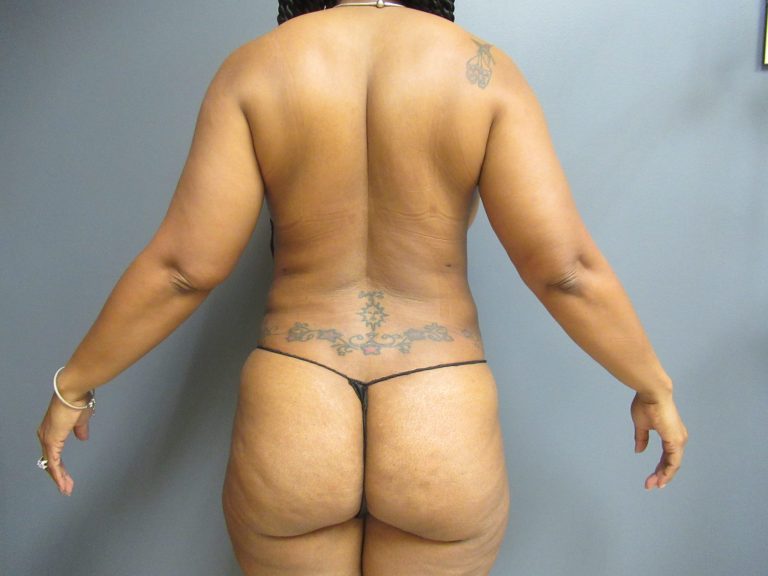
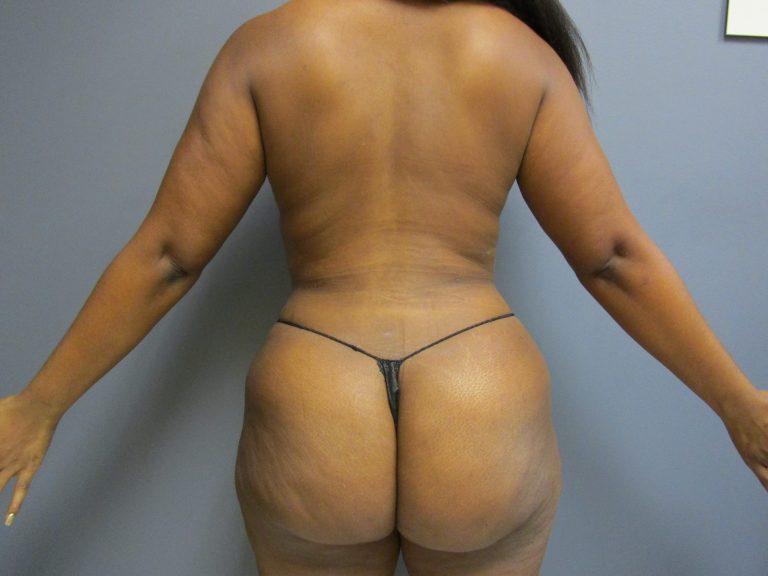
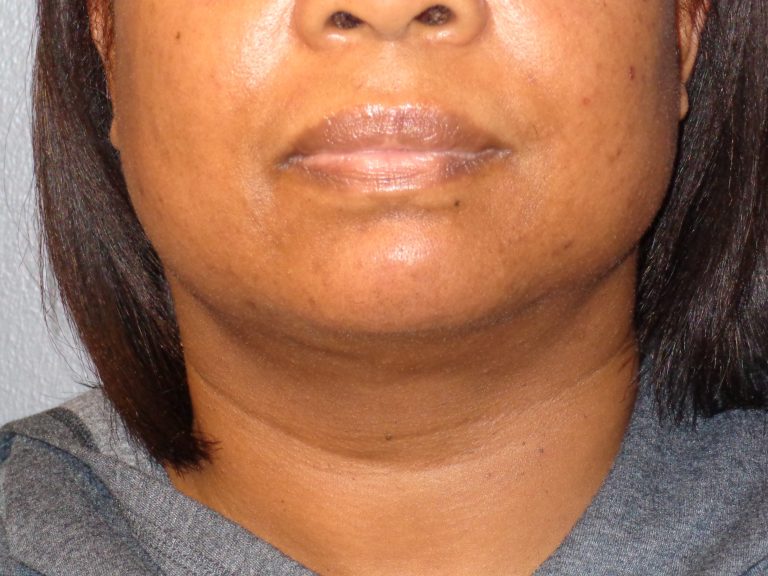
Body contouring tends to get discussed in either overly glamorous terms or overly clinical ones. Neither version tells the whole story. In practice, people usually consider liposuction for ordinary, very human reasons. They have worked hard, lost weight, stayed active, eaten well, and still have areas that do not respond the way they hoped. Or they have noticed changes after pregnancy, aging, or hormonal shifts that left them feeling out of proportion in their own clothes. The frustration is not vanity. More often, it is about wanting the outside to better match how they feel inside.
That is where liposuction can play a meaningful role. It is not a substitute for healthy habits, and it is not a cure for low self-esteem. But for the right person, it can reduce stubborn pockets of fat and create cleaner body lines that make everyday life feel easier. A fitted blazer sits better. Jeans stop cutting oddly at the waist. You stop negotiating with your reflection before leaving the house. That kind of change can have a quiet but real effect on confidence.
For anyone researching Liposuction Farmington Hills, it helps to approach the subject with realistic expectations and a clear sense of what body contouring can, and cannot, do.
Confidence is often built in small, practical moments
Most people do not wake up one day transformed by a cosmetic procedure. Confidence usually returns in increments. It shows up when someone puts on a dress that has been hanging in the closet for two years and likes the way it falls. It shows up when they stop tugging at the hem of a shirt during a meeting. It shows up at the gym, at a wedding, on vacation, or in photos with family.
That point matters because body image is rarely about a single body part. It is tied to comfort, self-perception, and the feeling of being at ease in public and private spaces. A person may be perfectly happy with their weight overall and still feel bothered by fullness under the chin, bulges at the flanks, or persistent fat at the lower abdomen. These areas can seem small on paper, yet they can dominate how someone dresses and how they carry themselves.
In a consultation setting, patients often phrase this very simply. They say, “I just want my shape back,” or “I want my clothes to fit the way they should.” Those are grounded goals. They also tend to be the healthiest starting point for considering liposuction.
What liposuction actually does
Liposuction removes localized fat deposits to improve contour. It is most useful when a person is near a stable, sustainable weight but has areas that remain resistant to diet and exercise. Common treatment zones include the abdomen, flanks, thighs, hips, back, upper arms, and under-chin area. In some cases, smaller contour refinements in several areas create a more balanced result than aggressive treatment in one spot.
The key idea is contour, not dramatic weight loss. A patient might lose only a modest number of pounds on the scale, or see almost no scale change at all, and still notice a substantial improvement in proportion. That is because shape and fit often matter more than the total number.
Liposuction also has limits, and being honest about those limits is part of good surgical judgment. It does not tighten severely loose skin. It does not replace an abdominoplasty when muscle separation or significant skin laxity is the main issue. It will not prevent future weight gain. If skin quality is poor, or if the area has already stretched significantly, liposuction alone may leave a person with less volume but not necessarily the firm, smooth look they pictured.
This is one reason thoughtful consultations matter so much. A good plan is not just about what can be removed. It is about whether removing it will produce an attractive, natural result.
Why stubborn fat can feel so discouraging
There is a special frustration that comes from doing “everything right” and still not seeing movement in a specific area. Genetics play a role in where the body stores fat and how easily it gives it up. Age changes body composition. Pregnancy can alter the abdominal wall and the distribution of fat. Menopause and other hormonal shifts can make previous routines less effective.
A patient may be strong, healthy, and active, yet still carry fullness at the lower belly or along the outer thighs. Another person may have visible definition almost everywhere except the flanks, which seem to cling no matter how consistent their routine is. These patterns are common. They are also one reason body contouring remains so relevant, even for people who are already taking care of themselves.
From a confidence standpoint, stubborn fat often becomes symbolic. It starts to represent effort without reward. When a person feels that disconnect for long enough, they may pull back socially, dress more defensively, or become hyper-focused on a feature that others barely notice. A well-planned contouring procedure can break that cycle, not by changing who they are, but by reducing a source of constant irritation.
The best candidates usually have realistic goals
The Liposuction Farmington HIlls happiest liposuction patients are not chasing perfection. They are looking for improvement that feels proportionate, believable, and maintainable. They understand that surgery can refine shape, but it cannot manufacture a new identity or solve every body image concern.
Several traits tend to predict a smoother experience and greater satisfaction:
- a stable weight for several months
- good skin elasticity, or a clear understanding of what skin tightening may require
- localized fat deposits that have not responded to lifestyle efforts
- good overall health and the ability to follow recovery instructions
- expectations centered on contour improvement rather than scale weight
Those points are not rigid rules in every case, but they are useful markers. A person who plans to lose a significant amount of weight after surgery may be better served by waiting. Someone who wants liposuction to fix advanced laxity may need a different procedure. Someone recovering from major life stress may benefit from giving themselves more time before making an elective decision.
Confidence tends to improve most when the surgical plan fits the person’s anatomy and their emotional expectations at the same time.
Body contouring and self-image after life changes
There are a few periods when interest in liposuction tends to rise, and each has its own emotional context.
After major weight loss, a person often feels proud of what they accomplished but surprised that certain areas still do not match the rest of the body. They may be healthier than they have been in years, yet remain distracted by residual fullness at the midsection, bra line, or inner thighs. Liposuction can sometimes fine-tune these areas, although skin quality must be evaluated carefully.
After pregnancy, the issue is often less about vanity than familiarity. Many women know their body changed for good reasons. They are not trying to erase that story. They simply want to feel more at home in their post-pregnancy shape. In some cases, liposuction helps. In others, the real issue is muscle separation or loose skin, which points toward a different surgical conversation.
During midlife, people frequently notice that body fat redistributes in ways that feel abrupt and unfair. The routine that worked at 35 may not work at 48. Weight may settle through the waist, upper back, or arms. Clothes still fit, technically, but not comfortably. The desire for contouring at this stage is often grounded, practical, and linked to wanting to move through the next decade feeling polished and physically confident.
What a consultation should feel like
A quality consultation is less of a sales pitch and more of a careful assessment. The surgeon should evaluate fat distribution, skin tone, underlying structure, and overall goals. There should be a direct conversation about what bothers you, what change is realistic, where scars would be minimal, what recovery will involve, and whether liposuction is the right procedure at all.
This is where people often learn the most. Someone may come in convinced they need abdominal liposuction, only to discover that the better improvement would come from treating the flanks as well to create a more balanced waistline. Another patient may focus on the inner thighs, but a skilled eye sees that the outer thigh and hip transition are the real source of imbalance. Good contouring is not just subtraction. It is sculpting with restraint.
For patients looking into Liposuction Farmington Hills, local convenience matters, but expertise matters more. Follow-up visits, postoperative support, and clear communication are all important, yet none of those replace sound surgical judgment. The right provider should be willing to say no, or not yet, if the timing or anatomy are not favorable.
The procedure itself, in plain terms
Technique varies by surgeon and by treatment area, but liposuction generally involves making very small incisions, infusing fluid into the area, and using a slender instrument to remove targeted fat. Depending on the scope, the procedure may be done with local anesthesia, sedation, or general anesthesia. The best choice depends on how many areas are being treated, how much contouring is planned, and the patient’s comfort and safety profile.
People sometimes picture liposuction as rough or overly aggressive. Modern body contouring, when done well, is usually much more deliberate. The aim is smoothness, proportion, and consistency across transitions. Taking too much can create hollows or irregularity. Taking too little may leave the patient underwhelmed. This is where experience shows. The procedure rewards precision.
The amount of fat removed varies widely. It is not helpful to fixate on volume alone because body size, treatment zones, and safety considerations differ from person to person. What matters more is whether the plan is appropriate and whether the expected visual change justifies the procedure and recovery.
Recovery is where expectations need to be especially grounded
A lot of confidence comes from the final result, but the path to that result is not instant. Recovery includes swelling, bruising, tenderness, fluid shifts, and a period where the treated area may look uneven or simply not look “done.” Compression garments are often part of the process. Activity is usually limited at first, though walking is typically encouraged early. Most people need to ease back into full exercise over time rather than assume they will bounce back in a few days.
This is often the point where realistic patients do best. They know recovery has stages. They understand that the body needs time to settle. Early swelling can temporarily hide the result, and minor asymmetries in healing are common before tissues soften and even out.
A typical recovery arc often includes the following:
- the first several days focused on rest, mobility, hydration, and managing soreness
- the first two to three weeks marked by noticeable swelling and gradual return to routine tasks
- the first one to three months bringing visible contour improvement, though not the final look
- several months of continued refinement as swelling resolves and tissues settle
That timeline varies, especially when multiple areas are treated. A smaller under-chin case heals differently from more extensive abdominal and flank contouring. The best approach is to plan for recovery with the same seriousness as the procedure itself. Arrange help if needed. Be realistic about work and social commitments. Do not schedule body contouring right before a major event and expect polished results on a tight deadline.
When confidence improves, what changes day to day?
This is the part that people rarely talk about with enough specificity. The confidence boost after liposuction is often less dramatic than television suggests, yet more durable than many expect. It shows up in behavior.
People stand differently. They buy clothing based on style instead of camouflage. They stop avoiding tucked-in shirts. They take fewer “just from this angle” photos. They become less preoccupied with one stubborn area and more able to focus on the rest of their life.
One patient story, in broad terms, captures this well. A woman who had maintained a healthy weight for years still carried fullness through her lower abdomen and flanks. She was not seeking a dramatic transformation. She wanted to stop feeling like every pair of pants fit incorrectly. After contouring and recovery, what changed most was not her social media presence or her dress size. It was the fact that she no longer thought about that area every morning. That mental relief is subtle, but it is powerful.
Another common example involves men with flank fullness, sometimes called love handles. They may be fit in the arms, chest, and legs but feel boxy through the waist. A modest contour improvement can sharpen the silhouette enough that jackets, polos, and casual clothes hang better. The result reads as healthier and more athletic, even if weight barely changes.
Not every confidence issue is solved in the operating room
This deserves emphasis. Liposuction can support confidence, but it cannot carry the full burden of self-worth. If someone believes their life will fundamentally change the moment one body area is slimmer, that expectation often needs a more careful conversation.
A sound surgical mindset leaves room for both truths. First, body contouring can be meaningful and worthwhile. Second, it is still one piece of a larger picture that includes mental health, relationships, stress, aging, and self-perception. Surgery tends to work best when it addresses a specific physical concern rather than a diffuse feeling that everything is wrong.
In practice, this means patients should pause if they are seeking surgery during an emotionally volatile period, or if they are hoping it will repair a relationship, erase grief, or produce instant self-acceptance. Those are heavy expectations for any elective procedure. A balanced decision usually comes from a calmer place.
Questions worth asking before moving forward
A thoughtful consultation usually leaves a patient better informed, even if they decide not to proceed right away. Before choosing a surgeon, it helps to ask practical, direct questions and listen for clear answers.
How often do you perform this type of contouring? What result is realistic for my anatomy? Where are the limits in my case? What will recovery likely look like for the areas I want treated? If skin elasticity is part of the problem, will liposuction alone be enough? Those questions matter more than flashy marketing language.
The strongest answers are usually measured, not exaggerated. If every promise sounds effortless, permanent, and dramatic, that is a reason to slow down. Honest guidance tends to include nuance. You want someone who can explain trade-offs, not just highlight ideal outcomes.
Why location matters, but should not be the only factor
Searching for Liposuction Farmington Hills makes sense if convenience, local follow-up, and community reputation are part of your decision. Being able to attend preoperative visits and postoperative checks without a major trip is genuinely helpful. So is having a practice that can answer recovery questions promptly because you are nearby.
Still, geography should support the decision, not drive it. A polished website, a close address, and appealing branding are not enough. Patients do best when they choose a surgeon based on training, experience, communication style, and an aesthetic approach that matches their own goals. The procedure may be elective, but the standards should be serious.
There is also value in a surgeon who understands restraint. In body contouring, more is not always better. Natural shape, skin behavior, and long-term appearance all matter. The most confident-looking results usually do not announce themselves as surgical. They simply look harmonious.
Lasting results depend on what happens afterward
Fat cells removed by liposuction do not return in the same way, but the body can still gain weight. That means long-term satisfaction depends partly on maintaining stable habits after surgery. This does not require perfection. It requires consistency.
Patients who do well over time typically resume movement gradually, protect recovery, and then return to a realistic routine they can sustain. Strength training, walking, hydration, adequate protein, and overall weight stability all help preserve contour. Large future weight swings can blur the result, and pregnancy can alter the abdomen again. Neither reality makes surgery a mistake, but both should be part of planning.
The emotional side matters too. People often enjoy the result more when they stop using it as a test of worth and start treating it as one part of caring for themselves. That shift tends to make confidence steadier and less fragile.
A more confident silhouette, on realistic terms
The value of liposuction is not that it turns one kind of body into another. Its value is that it can refine proportion, reduce a long-standing frustration, and make someone feel more at ease in their own shape. For the right candidate, that can be deeply worthwhile.
Confidence after body contouring rarely arrives with fanfare. It settles in quietly. You notice it when getting dressed is less complicated. When a mirror becomes neutral instead of adversarial. When the energy you used to spend fixating on one stubborn area is finally free for other things.
That is the real promise of body contouring at its best. Not perfection, not reinvention, but alignment. For people considering Liposuction Farmington Hills, that is the standard worth keeping in mind. The goal is not to become someone else. It is to feel more comfortable being yourself.
Aesthetic Plastic Surgery & Laser Center, Michelle Hardaway M.D.
27920 Orchard Lake Rd
Farmington Hills, MI 48334
(248) 221-1957
FAQ About Liposuction Farmington Hills
What disqualifies you from getting liposuction in Farmington Hills?
A surgeon may recommend postponing or avoiding liposuction if a health condition, medication, or nicotine use raises the risk of surgery or poor healing. A consultation is needed to assess your medical history and whether the procedure fits your goals.
Can liposuction remove 20 pounds?
Liposuction is a body contouring procedure for localized fat. It is not a weight loss treatment, and a specific number of pounds is not a safe or useful target. The surgeon determines how much can be removed safely for each patient.
What are the risks of liposuction?
Risks include infection, changes in sensation, uneven contours, and complications from anesthesia or blood clots. A plastic surgeon can explain which risks apply to you and what to expect during recovery.