Liposuction Farmington Hills: Timeline for Results and Recovery
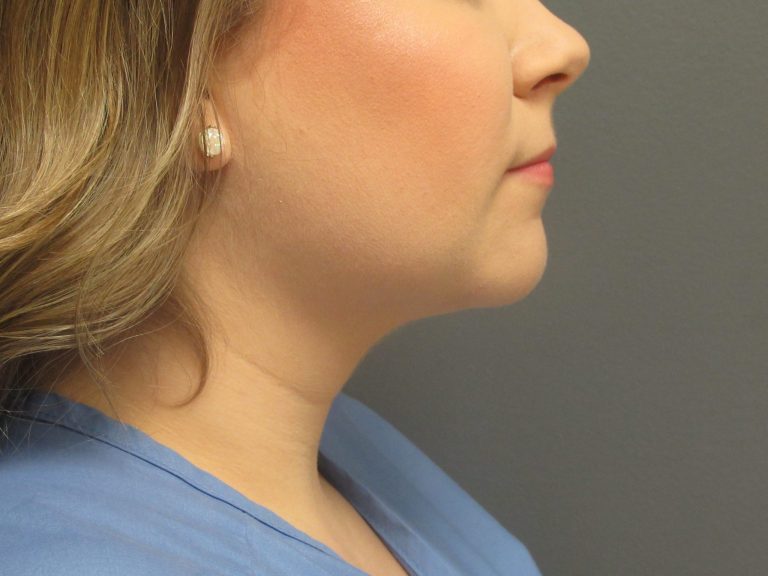
Liposuction can produce a meaningful change in body contour, but the timeline surprises many patients. People often picture a quick procedure followed by an immediate reveal. What actually happens is more gradual. Swelling rises before it falls. The shape improves in stages. Clothing fit changes before the mirror fully catches up. If you are considering Liposuction Farmington Hills, it helps to understand not just the procedure itself, but the rhythm of healing that follows.
The most satisfied patients usually share one trait. They know what to expect. They understand that liposuction is not a same-day transformation, and they do not panic when the treated area looks puffy, firm, or uneven in the early weeks. Those early changes are part of normal recovery. The body needs time to drain fluid, calm inflammation, and allow the skin to settle over its new contours.
A realistic timeline also helps with planning. If you have a wedding in six weeks, a beach trip in eight, or an important event where you want to feel your best, timing matters. Recovery is usually manageable, but it is not trivial. Most people can return to desk work relatively quickly, yet visible swelling and tenderness often linger longer than expected. That gap between “back to normal life” and “final result” is where most of the confusion lives.
What liposuction can and cannot do
Liposuction removes pockets of stubborn fat that have not responded to diet and exercise. Common treatment areas include the abdomen, flanks, thighs, hips, upper arms, back, under the chin, and sometimes the knees or chest. It is designed to refine shape, not to serve as a primary weight loss tool.
This distinction matters because it shapes recovery expectations as well. A patient who starts at a stable weight and wants better waist definition often sees a clean, satisfying contour change. A patient who hopes liposuction will solve generalized weight concerns may feel disappointed, even if the surgery goes well. Good candidates tend to have localized fullness, decent skin elasticity, and a clear picture of what contouring can achieve.
Skin quality is a major variable. Younger skin, or skin that has retained good elasticity, tends to contract more smoothly after fat removal. Skin that has been stretched by major weight changes, aging, or pregnancy may not tighten as much. In those cases, swelling may also make the early healing phase look less flattering for longer. That does not necessarily mean something is wrong. It means the tissue needs more time, and sometimes michellehardawaymd.com Liposuction Farmington HIlls it means a different procedure would have addressed the concern more completely.
The first question most patients ask: when will I see results?
You will usually see some change right away, but it will not be the final result. In fact, the immediate postoperative appearance can be misleading. The fat is gone, but the tissue is inflamed, fluid has shifted, and the body responds to surgery by holding on to swelling. Some areas look smaller immediately, while others look fuller or firmer for several weeks.
A practical way to think about liposuction results is in layers. The first layer is the early contour change, visible within days. The second layer is the reduction in swelling over the first one to three months. The third layer is the refinement phase, when firmness softens, skin settles, and subtle asymmetries become less noticeable. That final phase often continues for several months.
Patients often notice one of the earliest signs of progress not in the mirror, but in their clothes. Pants may button more comfortably. A fitted top may skim the waist differently. The visual result can lag behind the functional one because swelling is more obvious when you are inspecting your body closely than when you are simply getting dressed.
The first 72 hours
The first few days are about rest, mobility, and fluid management. Most patients feel sore rather than sharp pain. The sensation is often compared to an intense workout or a deep bruise. If multiple areas were treated, especially the abdomen and flanks together, movement can feel stiff and awkward.
Drainage is common, particularly with techniques that involve tumescent fluid. This can alarm patients who were not prepared for it, but light leakage from small incision sites in the first day or two is generally expected. Compression garments are usually worn from the start, and they matter. They help control swelling, support the tissue, and can make movement more comfortable.
Walking begins early. Not exercise, just gentle, frequent movement. Short walks around the house reduce stiffness and lower the risk of complications related to prolonged immobility. During this stage, many people need help with routine tasks, especially if the treated area is the midsection. Getting in and out of bed, reaching overhead, or bending to put on socks can feel surprisingly difficult for a day or two.
Week one: swollen, sore, and not yet photo ready
By the end of the first week, most patients feel more functional. They can stand straighter, move more easily, and reduce or stop stronger pain medication if it was prescribed. Bruising often becomes more visible during this time before it begins to fade. Swelling can fluctuate from morning to evening. The treated area may also feel hard or lumpy in spots. That firmness is usually part of normal healing.
This is also the week when expectations need careful handling. Some patients feel encouraged because they already see shape improvements. Others become anxious because they look puffier than they imagined. Both reactions are common. Swelling does not follow a perfectly smooth curve downward. It rises and falls in little waves.
For patients seeking Liposuction Farmington Hills, this is usually the point when practical recovery questions take center stage. Can I drive? Can I work? Can I lift my child? The answer depends on the extent of treatment, your job demands, how you tolerate discomfort, and what your surgeon advises. Many people with sedentary work can return within several days to a week. Jobs that require lifting, twisting, or long hours on your feet typically require longer.
Weeks two through four: the turning point
This period is where many patients start to feel that recovery is moving in the right direction. Bruising fades. Soreness eases. Energy improves. Compression garments may still be necessary, but wearing them becomes less intrusive. The body contour starts to look more intentional and less postoperative.
Even so, swelling is still very much part of the picture. This is the phase where people often say, “I can tell it is better, but I do not think I am there yet.” That is usually accurate. The lower abdomen may stay puffy longer than the upper abdomen. Flanks can take time to soften. Inner thighs may swell unevenly from one side to the other. Mild asymmetry during healing is common because the two sides of the body do not always resolve inflammation at the same speed.
Massage or lymphatic drainage is sometimes discussed during this phase. Whether it helps, and whether it is appropriate, depends on your surgeon’s technique and your individual recovery. Some patients find it useful for comfort and swelling. Others do perfectly well without it. This is not a step to improvise on your own. Any postoperative bodywork should match your surgeon’s guidance.
A realistic milestone guide
- Days 1 to 3: soreness, drainage, swelling, limited mobility
- Week 1: bruising and swelling are obvious, daily activities become easier
- Weeks 2 to 4: contour starts to emerge, swelling begins to settle in a noticeable way
- Weeks 6 to 12: most patients see a strong improvement and feel more confident in fitted clothing
- Months 3 to 6 and beyond: final refinement, softer tissue, more settled shape
These are broad ranges, not guarantees. A small chin liposuction recovery does not look like a combined abdomen, waist, and thigh case. The larger the treatment area and the more fat removed, the more patience healing usually requires.
One to three months: when results start to feel real
The one to three month window is often the most gratifying part of the process. You are back to normal routines, the daily soreness is gone, and the swelling has declined enough that the contour change reads clearly. This is when many patients feel they finally understand what the procedure accomplished.
Photographs taken at this stage usually look dramatically different from the first two weeks, even if the scale has not changed much. That is another point worth stressing. Liposuction changes proportions more than overall body weight. Five pounds distributed across the waist, flanks, and lower abdomen can affect silhouette far more than many people expect.
Some firmness may still be present under the skin during this period. Patients sometimes worry that this means residual fat was missed or that the tissue is scarred permanently. More often, it reflects postoperative induration, a temporary firm texture that softens with time. This can be especially noticeable in areas where compression has been snug or where the body naturally swells more stubbornly.
Three to six months: the refinement phase
By three months, a large share of swelling has resolved for many patients, but not all of it. This is why experienced surgeons often ask patients to wait before judging finer details. The body is still settling. Skin retraction continues. Small irregularities can smooth out. Areas that looked “too flat” or “not flat enough” in the early weeks often normalize.
The refinement phase is also when healthy habits begin to matter more visibly. Liposuction removes fat cells from the treated areas, but it does not freeze your body in time. Weight gain can still occur. If it does, the body may store fat in untreated areas or, to a lesser degree, in treated ones. Patients who maintain a stable weight usually preserve the cleanest long-term contour.
This is the point where people often say they feel like themselves again, just more proportional. That is generally the best kind of result, one that looks natural and suits the rest of the body rather than appearing surgically obvious.
Why two people can heal very differently
Recovery is not just about pain tolerance. It is shaped by anatomy, surgical plan, and daily habits. A healthy nonsmoker in their thirties with good skin tone may heal quickly after a focused flank treatment. Another patient with a larger-volume procedure, thinner skin, or a history of swelling may take notably longer.
Age can matter, but not in a simplistic way. I have seen younger patients swell dramatically and older patients glide through recovery. More predictive factors include treatment area, skin elasticity, baseline health, medication use, and whether the patient follows compression and activity instructions consistently.
Hormonal cycles can influence swelling as well. Some patients retain more fluid around menstruation and assume something is wrong with their surgical result. It is often temporary. Diet can play a role too. High sodium intake can exaggerate puffiness during the healing phase. It will not ruin the result, but it can make progress feel less steady.
Returning to work, exercise, and normal life
Work return depends heavily on what you do all day. An office employee may feel ready in a few days, though sitting upright for long stretches can still be uncomfortable at first. Someone in retail, construction, healthcare, or childcare may need more time because lifting, standing, and quick movements stress healing tissue.
Exercise returns in stages. Walking starts almost immediately, but strenuous workouts usually wait until your surgeon clears you. The mistake some active patients make is testing their body too soon because they “feel pretty good.” Swelling often answers that decision by flaring up. Recovery is rarely helped by trying to outwork it.
Socially, many people feel presentable within two to four weeks, depending on the area treated and how easily they bruise. If the treatment involved the face or neck, visible swelling may be harder to conceal. For abdomen or thighs, clothing does most of the work. Planning around major events should still be conservative. If you want to look settled rather than simply recovered, allow more time than you think you need.
Compression garments, patience, and the mental side of healing
Compression is not glamorous, but it is often one of the most useful tools in the early recovery process. Patients sometimes dislike the inconvenience, the warmth, or the way garments show under clothing. Yet the people who wear them as directed usually feel more supported and less swollen. There is a reason surgeons keep recommending them.
The mental side of recovery deserves more respect than it gets. Cosmetic surgery patients are often cheerful and motivated going in, then rattled by the normal but temporary awkwardness of healing. The area can look swollen, bruised, numb, and uneven all at once. That does not feel like progress, even when it is. Having a realistic recovery map protects against that emotional whiplash.
A useful mindset is to judge recovery in monthly chapters, not daily snapshots. Daily mirror checks invite frustration. Monthly comparison photos are far more honest. The body can change meaningfully between week two and week eight, and then again between month three and month six.
When to call your surgeon
Most postoperative swelling, firmness, drainage, and bruising fall within a normal range. Still, certain changes deserve prompt attention.
- Fever, worsening redness, or drainage that looks infected
- Sudden one-sided swelling, severe pain, or shortness of breath
- Persistent bleeding that soaks dressings beyond expected early drainage
- Calf pain or swelling that feels new and significant
- Any symptom that rapidly worsens instead of gradually improving
Patients sometimes hesitate to call because they do not want to “bother” the office. That is the wrong instinct after surgery. Good postoperative care depends on communication, and an experienced team would always rather answer an early question than manage a delayed problem.
Choosing timing wisely in Farmington Hills
If you are planning Liposuction Farmington Hills, season and schedule matter more than many people realize. Cooler months can make compression garments easier to tolerate. Slower work periods make it simpler to take a proper recovery window. Parents often do better when they arrange help in advance rather than assuming they can resume lifting and routines immediately.
It is also wise to separate surgery from major travel. Long car rides and flights right after a procedure are not ideal, especially if you are still managing drainage, soreness, and swelling. If travel cannot be avoided, your surgeon should guide you on timing, mobility, and precautions.
People often aim for surgery a few months before a milestone event. That is usually smarter than cutting it close. If you want to look good at six weeks, you may be pleased. If you want to look settled, polished, and less obviously postoperative, three months or more is a much safer buffer.
Long-term results depend on more than the operation
A well-performed liposuction procedure can create durable contour changes because the removed fat cells do not simply grow back in the same number. But long-term appearance still depends on weight stability, muscle tone, skin behavior, and aging. Patients who stay near their preoperative weight usually keep their shape improvement well.
Pregnancy, major weight gain, and large hormonal shifts can alter results over time. That does not mean surgery was wasted. It means the body is dynamic. The best candidates for liposuction tend to view it as a body contouring tool that works alongside healthy habits, not in place of them.
There is also a practical truth many surgeons see repeatedly. Patients who choose the procedure for a specific, well-defined concern, stubborn lower belly fullness after pregnancy, persistent flank fat despite regular exercise, disproportionate inner thighs, are usually happier than those chasing a vague sense of dissatisfaction. Clear goals produce clearer satisfaction.
The timeline, at a glance, is slower than the makeover fantasy and faster than many fear
That tension defines liposuction recovery. You are rarely transformed overnight, but you are also not sidelined forever. Most patients return to daily life relatively quickly. What takes longer is the settling, the refinement, and the point at which your reflection feels stable enough to judge fairly.
For anyone researching Liposuction Farmington Hills, the best expectation is this: expect to feel functional before you feel finished. Expect swelling to outlast soreness. Expect your clothes to tell you the truth before your critical eye does. And expect the final result to reward patience.
When patients understand that timeline going in, the experience tends to feel calmer, smoother, and much more satisfying.
Aesthetic Plastic Surgery & Laser Center, Michelle Hardaway M.D.
27920 Orchard Lake Rd
Farmington Hills, MI 48334
(248) 221-1957
FAQ About Liposuction Farmington Hills
What disqualifies you from getting liposuction in Farmington Hills?
A surgeon may recommend postponing or avoiding liposuction if a health condition, medication, or nicotine use raises the risk of surgery or poor healing. A consultation is needed to assess your medical history and whether the procedure fits your goals.
Can liposuction remove 20 pounds?
Liposuction is a body contouring procedure for localized fat. It is not a weight loss treatment, and a specific number of pounds is not a safe or useful target. The surgeon determines how much can be removed safely for each patient.
What are the risks of liposuction?
Risks include infection, changes in sensation, uneven contours, and complications from anesthesia or blood clots. A plastic surgeon can explain which risks apply to you and what to expect during recovery.