Liposuction Farmington Hills: Tips for Maintaining Your Results
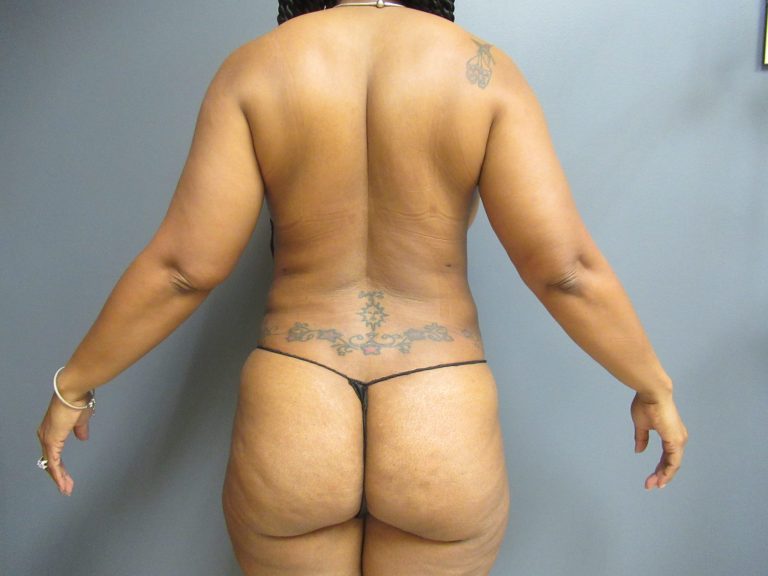
Liposuction can create a meaningful change in body contour, but the procedure is only part of the story. The longer chapter begins after swelling fades, when you return to everyday habits, family routines, work stress, restaurant meals, and the quiet decisions that shape your body over time. People often ask whether liposuction results are permanent. The practical answer is yes, with an important qualifier. The fat cells removed during treatment do not grow back in the same number, but the remaining fat cells can still enlarge if weight creeps up. That is why maintaining your result is less about perfection and more about consistency.
For patients considering or recovering from Liposuction Farmington Hills, this topic matters because expectations tend to be strongest in the first few months. At that stage, motivation is high and every small change feels urgent. Later, life settles in. The swelling is gone, the compression garment is folded away, and old habits can reappear. The people who tend to keep their shape best are not necessarily the most disciplined in a harsh, all-or-nothing way. They are the ones who build a realistic routine they can actually live with through holidays, travel, social events, and busy workweeks.
What liposuction changes, and what it does not
Liposuction is a body contouring procedure, not a cure for weight fluctuations. That distinction is where many long-term success stories either begin or unravel. When fat is removed from areas such as the abdomen, flanks, thighs, arms, or under the chin, those areas often look slimmer and more proportional. Clothing fits differently. The waistline may appear cleaner. The lower abdomen may feel less heavy. Yet liposuction does not prevent future weight gain, and it does not replace the need for muscle tone, healthy eating, or regular movement.
A common example is the patient who has stubborn fullness in the lower abdomen even though their weight has been stable for years. Liposuction can improve that contour quite effectively. But if that same patient gains fifteen or twenty pounds over the next year, the body can still store fat in untreated areas and in the remaining cells of treated areas. The result may still look better than before surgery, but the crisp contour often softens.
This is why reputable surgeons usually encourage patients to be close to a sustainable weight before surgery. It puts the procedure in the right role. Liposuction refines shape. Your habits protect it.
The first six weeks set the tone
Recovery is not only about healing incisions. It is also the period when you establish the patterns that support your result. Swelling can mask progress early on, which makes some patients anxious. They may expect a dramatic transformation within days, then worry when the treated area feels firm, numb, or uneven. In reality, those sensations are common during healing. The body needs time to settle.
In the first few weeks, follow your Liposuction Farmington HIlls surgeon’s instructions closely. Compression garments, walking, hydration, and restrictions on strenuous activity all play a role. The details vary by technique, by treatment area, and by your health history, so personal medical guidance matters more than generic advice from friends or social media.
What I have seen repeatedly is that patients who respect the recovery timeline usually feel better physically and emotionally. They are less likely to panic over temporary swelling, and they are more likely to return to exercise in a safe, steady way. Patients who push too hard too soon often end up sorer, more swollen, and frustrated by the temporary setback.
If you had Liposuction Farmington Hills and you are in this early phase, think in terms of months rather than days. Many people see visible improvement within a few weeks, but final definition can continue to refine for several months, sometimes longer depending on the area treated and the amount of swelling your body tends to hold.
Weight stability matters more than a perfect number
One of the best predictors of long-term satisfaction after liposuction is not achieving an exact goal weight. It is maintaining a relatively stable range. For many adults, a fluctuation of a few pounds across the year is normal. What tends to affect contour more noticeably are larger swings, especially if they happen repeatedly.
A patient may ask, “How much weight gain will show?” There is no universal threshold because body composition, genetics, age, hormones, and treatment area all influence the answer. On a smaller frame, even seven to ten pounds can change how the midsection looks. On a taller or more muscular frame, it may take more. The practical takeaway is simple. The closer you stay to your post-recovery baseline, the more likely you are to preserve the look that led you to surgery in the first place.
This is where rigid dieting often backfires. Extreme calorie cuts can lead to rebound eating, lower energy, and muscle loss. A steadier approach works better. Patients usually do best when they aim for meals that are satisfying, protein-forward, and repeatable during ordinary weeks, not just when motivation is unusually high.
Eating in a way you can sustain
There is no special “lipo diet.” What works after liposuction is what works for long-term body composition in general, a pattern of eating that supports stable weight, good recovery, and manageable hunger. Most people benefit from enough protein, plenty of fiber, and meals that do not leave them raiding the pantry an hour later.
Protein deserves special mention because it is often underdone, especially at breakfast and lunch. A person who starts the day with only coffee and a pastry may feel fine until late morning, then become ravenous and make impulsive choices. By contrast, a breakfast with eggs, Greek yogurt, cottage cheese, or another substantial protein source tends to support steadier energy. The same goes for lunch. A meal built around grilled chicken, fish, tofu, beans, or another protein source is more likely to carry you through the afternoon without the blood sugar drama that sends many people toward snacks and takeout.
Hydration also matters more than people realize. Thirst can blur into hunger, especially during busy days. It is not unusual for patients to tell themselves they are “always hungry,” then discover they have been underhydrated for weeks. Water alone is not a miracle, but staying reasonably hydrated supports recovery, digestion, and appetite regulation.
This does not mean you need to eat with constant vigilance. Most people maintain results best when they reserve indulgences for truly enjoyable moments instead of scattering them across the week out of convenience or stress. A dessert at a birthday dinner is very different from the routine evening habit of mindless snacking in front of a screen. One creates a memory. The other quietly changes your waistline.
Exercise protects the result you paid for
Liposuction changes contour, but exercise helps determine how that contour reads on the body. Muscle gives structure. It shapes the glutes, supports posture, improves how the waist appears in proportion to the torso, and helps keep metabolism from feeling sluggish. The best exercise plan after liposuction is not the one that looks impressive on paper. It is the one you can keep doing in February, in August, and during a stressful month at work.
Walking is often underrated. It supports circulation early in recovery and remains useful long after. For many patients, daily walking becomes the anchor habit that keeps weight gain from sneaking in. Strength training is also valuable, especially two to four times per week once your surgeon clears you for it. It does not need to be extreme. Basic resistance work for the lower body, upper body, and core can improve muscle tone and body composition in ways cardio alone cannot.
Cardio still has a place, particularly for heart health and calorie balance, but there is a difference between using cardio as punishment and using it as a sustainable tool. The first approach usually fades. The second lasts.
A realistic weekly rhythm might look like this:
- Walking most days, even if some walks are only twenty to thirty minutes
- Strength training several times per week, focused on major muscle groups
- One or two higher-effort cardio sessions if you enjoy them
- Extra movement built into ordinary life, such as stairs, errands, and standing breaks
That kind of routine does not sound flashy, which is exactly why it works.
Sleep and stress are not side issues
Many postoperative conversations focus on food and exercise, but sleep and stress often determine whether those two areas stay stable. Poor sleep can raise hunger, reduce patience, and increase cravings for high-calorie foods. Chronic stress can do the same, while also nudging people toward comfort eating and skipped workouts.
This is especially relevant for adults in busy seasons of life. New parents, caregivers, professionals with long hours, and people going through divorce or relocation often assume they failed because they “lost willpower.” More often, their routines lost structure under pressure. Recognizing that helps you fix the right problem.
If your sleep has been poor for weeks, your appetite may feel harder to manage no matter how disciplined you try to be. If your stress is high and your calendar is packed, asking yourself to cook elaborate healthy meals every night is unrealistic. A better strategy might be to simplify. Repeat a few reliable breakfasts and lunches. Keep quick protein options at home. Schedule shorter workouts instead of waiting for the perfect hour that never opens up.
Why some areas seem to change faster than others
Patients sometimes notice that certain areas respond dramatically to small weight changes after liposuction, while others seem to stay stable. That is normal. Bodies do not store fat evenly, and genetics still shape the pattern after surgery. If you have always gained weight first in the midsection, a future weight increase may still show there, even if the contour is improved compared with your preoperative shape. Someone else may notice changes sooner in the thighs or upper back.
Hormonal shifts can also influence where fat accumulates over time. Perimenopause and menopause, in particular, often change how women carry weight, sometimes increasing central fullness even when habits have not changed dramatically. This does not mean liposuction “stopped working.” It means the body is dynamic, and maintenance may need to become more intentional during certain life stages.
Compression garments end, but body awareness should not
Many patients are diligent while they are wearing compression because recovery feels active and structured. Once garments come off for good, attention often drifts. That is usually when subtle changes begin, not because anything is wrong, but because the sense of accountability fades.
A simple strategy is to keep a low-drama form of body awareness in place. That might mean trying on the same fitted jeans every couple of weeks, noticing how work clothes sit at the waist, or checking the scale on a consistent schedule if that feels emotionally neutral for you. The goal is not obsession. The goal is early course correction.
Large weight regain rarely happens in a single weekend. More often, it develops through small increments that go unaddressed for months. The patients who preserve results best tend to catch those increments early. If they notice five pounds creeping on, they tighten up a few habits before it becomes fifteen.
Alcohol, dining out, and the social side of maintenance
Most adults do not gain weight from a single celebratory meal. They gain it from how often indulgence becomes normal. Restaurant portions are a major culprit because even health-conscious choices can run large, rich, and sodium-heavy. Add drinks, appetizers, and dessert, and a casual night out can become a significant calorie surplus.
Alcohol deserves honest attention here. It lowers inhibition, adds calories quickly, and often leads to salty late-night food. Some patients tell me they eat very well Monday through Thursday, then undo much of that progress on the weekend without realizing it. If you enjoy Liposuction Farmington HIlls alcohol, the most practical approach is moderation and awareness, not moralizing. A couple of drinks with dinner is one thing. A pattern of heavy weekend drinking is another.
The same logic applies to travel and holidays. You do not need to “be good” every minute. You do need a plan. Walking in the morning, prioritizing protein at one meal, or skipping the automatic bread basket may sound small, but those small choices preserve momentum.
When non-surgical support makes sense
Sometimes maintenance benefits from a little help. That does not mean the surgery failed. Skin quality changes with age. Muscle tone fluctuates. Weight may shift a bit despite good habits. Depending on your goals, a surgeon or aesthetic provider may discuss treatments that complement liposuction results, especially if your concern is skin tightening rather than fat.
Still, it is worth being careful with expectations. No non-surgical treatment can outmatch the effect of stable habits. Devices and injectables can refine, but they cannot reliably compensate for repeated weight gain or a sedentary lifestyle. Patients do best when they see these options as adjuncts, not rescue plans.
Signs you may need to reset your routine
A maintenance reset does not require panic. It requires honesty. If your clothes fit differently, your workouts have become irregular, or your eating has turned more reactive than intentional, it may be time to make a few targeted changes.
The most effective reset is usually boring in the best sense of the word. Return to basics. Sleep more consistently. Rebuild your grocery routine. Eat enough protein. Walk daily. Resume strength training. Reduce the extras that have become too frequent. When people do this for even two or three weeks, they often feel back in control quickly.
A useful self-check includes the following:
- Are you within a comfortable, familiar weight range, or have you drifted beyond it for several weeks
- Are your meals structured enough to prevent constant grazing
- Have you exercised consistently in the last two weeks, not just thought about it
- Are sleep and stress making everything harder than it needs to be
- Have weekends become nutritionally chaotic compared with weekdays
If several of those answers are not where you want them, that is information, not failure.
The emotional side of maintaining results
Body contouring can be deeply satisfying, but it can also stir up expectations that no procedure can fully meet. Some patients hope the change will make them more confident in every setting, more outgoing, or less self-critical. Sometimes it helps, and sometimes the old inner dialogue follows them into the new shape. That is one reason maintenance can become emotionally loaded. If the body changes even a little, fear can rush in.
A healthier approach is to treat your result as something to care for, not something to guard anxiously. Bodies are living systems, not statues. They will fluctuate. Your goal is not to freeze yourself at one exact look forever. Your goal is to stay in the range where you feel healthy, proportional, and comfortable in your clothes.
That mindset usually leads to better choices. Panic invites extremes. Stewardship invites consistency.
Choosing habits that fit real life in Farmington Hills
Local routines matter more than generic wellness advice. A person with a desk job in Farmington Hills, a long commute, and kids in evening activities needs a different maintenance strategy than someone with flexible hours and daily time for the gym. Weather matters too. Winter in Michigan can reduce casual movement without people noticing. Summer social calendars can increase dining out and drinks. The best plan is one that accounts for those patterns ahead of time.
For example, if winter tends to derail your walking habit, you may need a backup before the season starts. That could be an indoor track, a treadmill, or a set route through a mall or large facility where weather is not a factor. If summer weekends are full of barbecues and lake outings, the answer may be simpler breakfasts, extra hydration, and a commitment to staying active earlier in the day.
Patients who pursue Liposuction Farmington Hills often do well when they think locally and seasonally, not abstractly. Maintenance is easier when it matches the life you actually live.
What to expect over the long term
Years after liposuction, many patients still feel pleased with their shape, especially when their weight has remained fairly stable. They may not look exactly as they did at six months post-op, because aging, hormones, muscle mass, and skin elasticity continue to evolve. Yet the treated area often remains improved relative to where it started.
That is an important perspective to keep. The goal is durable improvement, not impossible permanence in a frozen state. If you maintain your weight, stay active, and respond early to small changes, liposuction can remain one of the more gratifying cosmetic procedures because the contour shift can last so well.
The strongest long-term results usually come from patients who understand a simple principle. Surgery can remove fat. Daily life decides what happens next. When your habits support your outcome, the investment keeps paying you back in better fit, better proportion, and the quiet confidence that comes from not having to fight the same stubborn areas all over again.
Aesthetic Plastic Surgery & Laser Center, Michelle Hardaway M.D.
27920 Orchard Lake Rd
Farmington Hills, MI 48334
(248) 221-1957
FAQ About Liposuction Farmington Hills
What disqualifies you from getting liposuction in Farmington Hills?
A surgeon may recommend postponing or avoiding liposuction if a health condition, medication, or nicotine use raises the risk of surgery or poor healing. A consultation is needed to assess your medical history and whether the procedure fits your goals.
Can liposuction remove 20 pounds?
Liposuction is a body contouring procedure for localized fat. It is not a weight loss treatment, and a specific number of pounds is not a safe or useful target. The surgeon determines how much can be removed safely for each patient.
What are the risks of liposuction?
Risks include infection, changes in sensation, uneven contours, and complications from anesthesia or blood clots. A plastic surgeon can explain which risks apply to you and what to expect during recovery.