Liposuction Michigan and How to Plan Your Time Off


If you are considering liposuction in Michigan, the procedure itself is only part of the decision. The larger quality-of-life question often comes right after the consultation: how much time should I actually take off, and what will those days look like?
That question deserves a realistic answer, not a glossy one. Liposuction can be very manageable for many healthy patients, but recovery still asks something from your body, your schedule, and your patience. The amount of time you need away from work or family responsibilities depends on more than pain tolerance. It depends on the area treated, how physically demanding your job is, whether you are combining procedures, how well you prepare your home, and how honest you are about what “light activity” really means in your own life.
People often underestimate recovery because liposuction is so common and because it is frequently discussed in cosmetic, not surgical, terms. That framing can blur the fact that swelling, drainage, fatigue, soreness, garment use, transportation restrictions, and follow-up appointments all affect your calendar. Planning well is not dramatic. It is practical. It also tends to make the recovery feel smoother, less stressful, and less disruptive.
Why time-off planning matters more than most patients expect
A patient may hear “back to work in a few days” and assume that means business as usual. Sometimes it does, especially for a small treatment area and a desk job. More often, it means you can sit at a computer, answer emails, and function with care, but you may still be sore, swollen, and slower than normal.
There is also a difference between being medically cleared to work and feeling socially ready to be seen. Compression garments can show under clothing. Bending down may feel awkward. Getting in and out of a car can be more uncomfortable than expected for the first several days. If your work involves client meetings, presentations, uniforms, or long commutes, those details matter.
Planning adequate time off also protects your result. Patients who rush back into lifting, heavy housework, long standing shifts, or strenuous exercise too early often feel worse, swell more, and wish they had allowed themselves a better buffer. Recovery is not only about getting through the first week. It is about making the first few weeks less chaotic so your body can settle down the way it should.
The Michigan angle, season by season
There is a very practical reason people search for Liposuction Michigan rather than liposuction in the abstract. Recovery is lived locally. Michigan weather, driving conditions, wardrobe changes, and work patterns all shape the experience.
Winter procedures have advantages. Many people prefer to recover during a season when looser clothing is normal and social calendars are lighter after the holidays. Compression garments can feel easier to conceal under sweaters, layers, and structured coats. On the other hand, winter adds risks around transportation. Ice, snow, and longer drives can make follow-up visits less convenient. If you live in a rural area or commute a distance for surgery, the travel piece deserves thought.
Spring can be appealing because patients want to feel ready for summer. The challenge is that people often underestimate how long swelling can linger, even when they feel much better quickly. Summer events, vacations, weddings, and lake weekends can sneak up fast. If your procedure is in late spring, it helps to build in recovery room before any event that involves fitted clothing, long car rides, or a swimsuit.
Summer recovery is not impossible, but it can be less comfortable. Compression garments in humid weather can feel hot, and some patients find it frustrating to limit activity during the most social season. Fall is often a sweet spot for patients who want enough healing time before winter holidays and enough wardrobe flexibility to dress around swelling.
None of this means there is a perfect month for everyone. It means your real life in Michigan should shape the timing, not someone else’s calendar.
What usually affects the amount of time off
The answer to “how long will I need?” changes quickly depending on the specifics. A small area under local anesthesia is different from multiple areas treated under deeper sedation or general anesthesia. Abdomen, flanks, thighs, arms, back, and under-chin cases do not feel the same afterward. A school administrator, a nurse, a construction estimator, and a warehouse supervisor do not recover into the same type of workday.
Here are the factors that most often change the timeline:
- The size and number of areas treated
- Whether liposuction is combined with another procedure
- The physical demands of your job and commute
- Your support at home during the first several days
- Your own medical history, including how you typically heal and swell
Those points may sound basic, but they influence nearly every practical decision. For example, someone having a small flank treatment who works from home may be comfortable logging on after a long weekend. Someone having abdomen and thighs treated who works twelve-hour shifts on their feet may need closer to two weeks before returning comfortably, sometimes more depending on the exact situation and surgeon guidance.
What the first several days often feel like
Most patients are relieved to learn that liposuction recovery is usually more about soreness, stiffness, swelling, and fatigue than sharp pain. The sensation is often compared to intense muscle soreness or a deep bruised feeling. That description is useful, but it leaves out the awkward parts. Standing up straight may be slow. Rolling out of bed can be a project. You may feel fine for two hours, then suddenly wiped out.
Drainage from the small incision sites can occur early on, depending on the technique used and your surgeon’s protocol. This is normal in many cases, but it does mean your first day or two should be structured for privacy and comfort. Most people do not want to navigate errands, school pickups, or office appearances while managing pads, garment changes, and fatigue.
Anesthesia or sedation can also affect your planning. Even if the procedure itself is not extensive, the day after surgery is rarely your most productive self. Patients sometimes think they can answer work messages from bed and keep things moving. Some can, but many later say they wish they had set a cleaner boundary for at least a few days.
A realistic framework for taking time off
Patients usually do best when they plan in ranges, not absolutes. If everything goes smoothly, you return earlier and feel pleasantly ahead. If swelling, fatigue, or soreness runs stronger than expected, you are not scrambling.
For many desk-based jobs, a common planning strategy is to reserve about four to seven days away from work for a straightforward case, then reassess. That does not mean everyone needs a full week. Some return sooner, especially if they work remotely. But if you can only request time once, a slightly more generous buffer is often the less stressful choice.
For jobs that involve standing most of the day, frequent movement, lifting, or unpredictable physical effort, patients often need more time. One to two weeks may be more realistic, and some physically demanding roles can require longer depending on the treated areas and the surgeon’s instructions. If your work involves patients, children, transfers, ladders, inventory, law enforcement gear, or repeated bending, you should discuss your exact duties in detail at consultation. “I have an active job” is too vague to be helpful.
Self-employed patients and business owners face a different problem. They may not technically need time off, but they often need a strong plan for reduced capacity. It is one thing to answer emails. It is another to manage a team, host clients, make sales calls, and drive across town while wearing compression and dealing with swelling. Reduced hours for a week can be smarter than pretending you will function at full speed after two days.
Matching your recovery plan to your job
A teacher may be able to stand and lecture before they are comfortable crouching beside student desks all day. A hairstylist might feel fine mentally but not physically ready for hours of twisting and arm use. An accountant in busy season may tolerate returning sooner than a retail manager during holiday staffing shortages, but only if there is flexibility to sit, stand, and take short walking breaks.
Remote work changes the equation, though not always as much as people think. Working from home eliminates commuting and public-facing pressure, which helps. It does not eliminate fatigue, swelling, or distraction. If your role requires high-stakes decisions, long video meetings, or sustained concentration, build in more recovery room than you think you need.
Commuting deserves its own mention. A thirty-minute drive can feel very different from a ninety-minute one after liposuction, particularly if the abdomen, flanks, or thighs were treated. Sitting still, turning to check blind spots, climbing into a truck or SUV, and dealing with traffic all become part of the recovery burden. Sometimes the return-to-work date is not the issue. The drive is.
How to prepare home life before surgery
Good time-off planning is not only about your employer. It is also about removing avoidable friction at home. Patients recover more smoothly when ordinary tasks are made easier in advance. This is especially true for anyone who lives alone, has young children, or is usually the one carrying the mental load for a household.
A few preparations make a disproportionate difference:
- Set up a simple recovery area with medications, water, chargers, loose clothing, and extra pillows
- Prepare easy meals for several days, or arrange help with food
- Clear your calendar of nonessential errands, social obligations, and child transport if possible
- Have your compression garments, pads, and post-op instructions organized before surgery day
- Arrange for help the first twenty-four to forty-eight hours, especially if multiple areas are treated
People tend to focus on the surgery date itself, but the third day at home can be the sneaky hard one. That is often when you are mobile enough to get restless but not comfortable enough to resume normal tasks. A stocked fridge, a backup ride, and a quiet schedule help more than patients expect.
Family responsibilities can derail good recovery if you ignore them
Parents, caregivers, and pet owners often ask about work leave while overlooking the second shift waiting at home. If you usually carry toddlers, lift laundry baskets, walk a large dog, or help an older parent in and out of a car, those duties need coverage too.
This is where many careful professionals become unrealistic. They arrange the surgery and the driver, then expect to be “mostly fine” by day three because they are disciplined and used to pushing through discomfort. Recovery does not care how efficient you are. Lifting a child into a car seat or hauling groceries up icy steps can be exactly the sort of strain your surgeon wants you to avoid.
If help is limited, sometimes the smartest move is to schedule surgery during a school break, a co-parenting week, a lighter custody rotation, or a period when relatives can be nearby. Timing surgery around support is not indulgent. It is sensible.
The quiet value of taking a little more time than you think you need
One of the more consistent patterns after liposuction is this: patients rarely regret taking an extra few days off if they could manage it, but they often regret trying to resume everything too early.
The reason is not always pain. It is swelling and stamina. You may look decent in clothing and still feel depleted by a normal day. Compression can be snug and fatiguing. Sleep may be Liposuction Michigan Aesthetic Plastic Surgery & Laser Center interrupted for a bit. Your energy can come back unevenly. A person who powers through work on Monday may be flattened by Tuesday evening and then spend the next several days catching up.
There is also the emotional side of recovery, which does not get enough attention. Swelling can distort the result early on. Bruising can look dramatic. You may not feel camera-ready or socially upbeat for a little while. Extra time off gives your body and your mood space to settle.
What to ask at your consultation in Michigan
A good consultation should give you individualized expectations, not canned timing. If you are exploring Liposuction Michigan options, bring your real schedule into the room. Be specific about your work duties, your commute, and your household obligations. Show your surgeon where the pressure points are.
Ask how many areas are being treated, what type of anesthesia is planned, when most patients with your kind of job tend to return, and what restrictions matter most during the first two weeks. If you are considering combining procedures, ask how that changes downtime. Combined surgery can be efficient, but the recovery burden is often greater than patients first imagine.
It also helps to ask what would make the surgeon tell you to stay home longer. That question often reveals the practical warning signs that matter most, such as swelling that ramps up with activity, significant fatigue, or job tasks that put too much pressure on treated areas.
Social plans, workouts, and travel need the same level of honesty
Patients are usually disciplined about surgery logistics and oddly optimistic about everything after. They assume they can attend a wedding in ten days, take a weekend flight in two weeks, or be back to spin class almost immediately after being cleared for “light activity.” Sometimes that works out. Often it feels premature.
Exercise is a common frustration. Walking is usually encouraged fairly early, but vigorous activity is a different issue. Swelling often tells the truth before your calendar does. If you do too much and swell more, your body is giving feedback. Respect it.
Travel needs caution too. Even if you feel functional, long sitting periods and suitcase lifting can be a poor combination early on. If you have an unavoidable trip, discuss it well before booking. Recovery and travel can coexist, but the plan should be deliberate.
How to talk to your employer without oversharing
Not everyone wants to discuss cosmetic surgery at work, and you do not have to. Most patients can keep the explanation general and professional. You may simply state that you are having a planned medical procedure and will need a defined amount of recovery time, with or without a gradual return depending on your role.
If your workplace requires paperwork, your surgeon’s office can usually guide that process. It helps to think in terms of function, not private details. You may need temporary limits on lifting, prolonged standing, or strenuous movement. That is the relevant information.
For remote workers, consider blocking your first couple of days back with fewer meetings if possible. For onsite roles, choose clothing for comfort and compression concealment. These are small moves, but they make the transition less draining.
The result benefits from patience
Liposuction is one of those procedures where recovery can feel deceptively fast in some ways and slow in others. You may be up and moving quickly, but the final contour takes longer to reveal itself. Swelling resolves in stages. Tightness and firmness in the treated area can hang around for a while. This does not mean something is wrong. It means healing is not a straight line.
That is why smart time-off planning matters so much. It acknowledges what surgery really is, even when the incisions are small and the procedure is familiar. If you are researching Liposuction Michigan Liposuction Michigan options, do not let the scheduling question become an afterthought. Give your work, your family, and your body a realistic plan.
The patients who tend to feel best about the process are not always the ones who bounce back fastest. They are the ones who expected recovery to be real, built room for it, accepted help, and returned to normal life in a way that did not fight their own healing. That kind of planning is not overly cautious. It is often the difference between a stressful week and a manageable one.
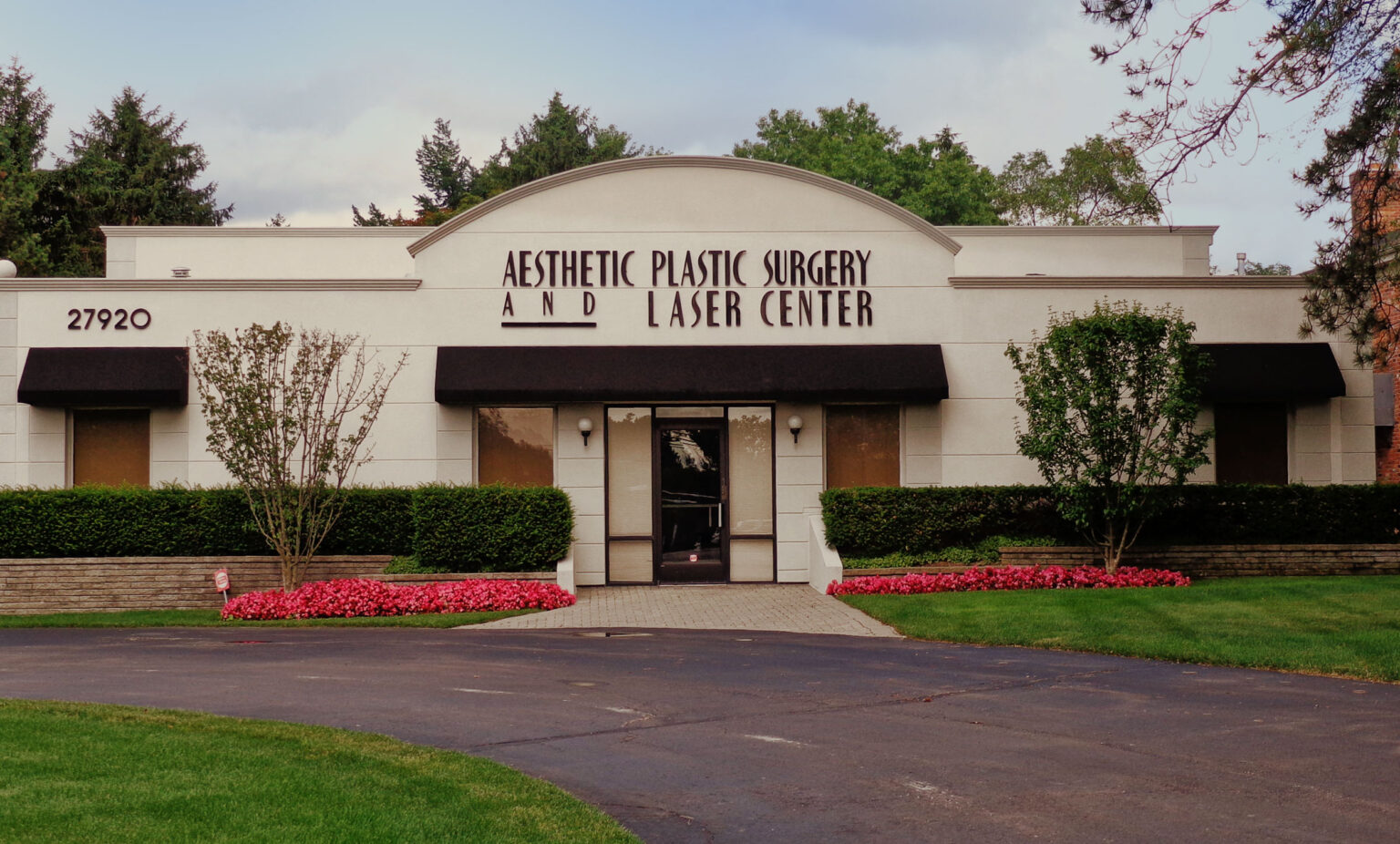
Aesthetic Plastic Surgery & Laser Center, Michelle Hardaway M.D.
27920 Orchard Lake Rd, Farmington Hills, MI 48334, United States
+1 248-221-1957
FAQ About Liposuction Michigan
Is 55 too old for liposuction?
Age 55 alone does not determine suitability. A surgeon evaluates overall health, skin quality, healing risks, and realistic goals. A personal consultation is needed to assess candidacy and discuss alternatives.
What happens 10 years after liposuction?
Contour improvements can last, especially with stable weight. Aging, pregnancy, and weight changes can alter the appearance over time. Results vary, and liposuction does not prevent future body changes.
Can lipo get rid of an apron belly?
Liposuction reduces localized fat but does not remove hanging excess skin. An apron belly may require assessment for a skin-removal procedure instead of, or alongside, fat removal. A qualified plastic surgeon can explain appropriate options and their risks.