What Results Can You Realistically Expect from Liposuction Michigan?
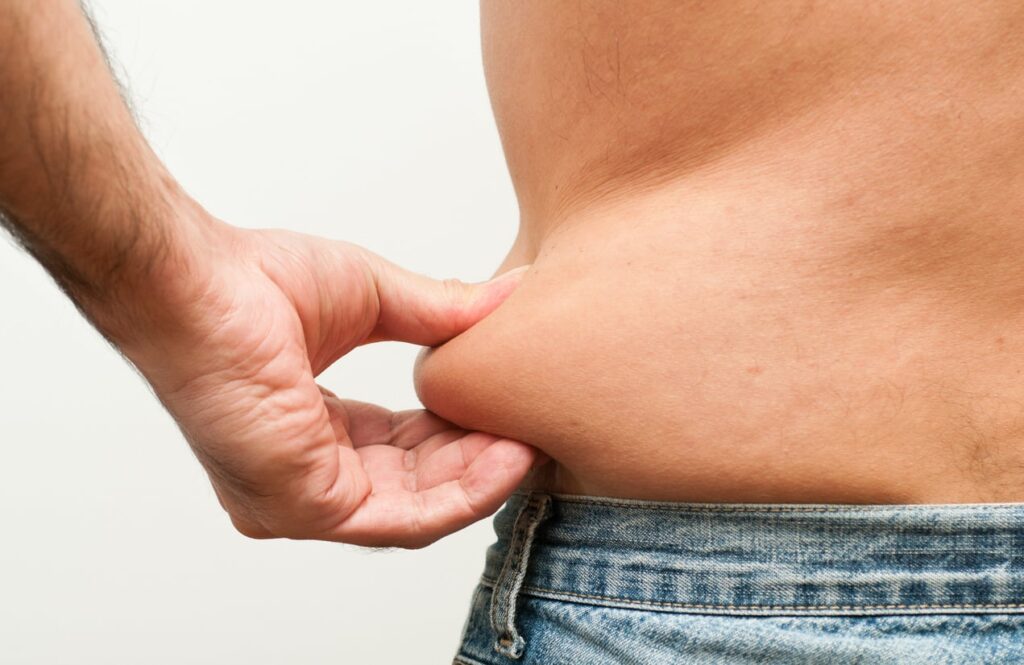
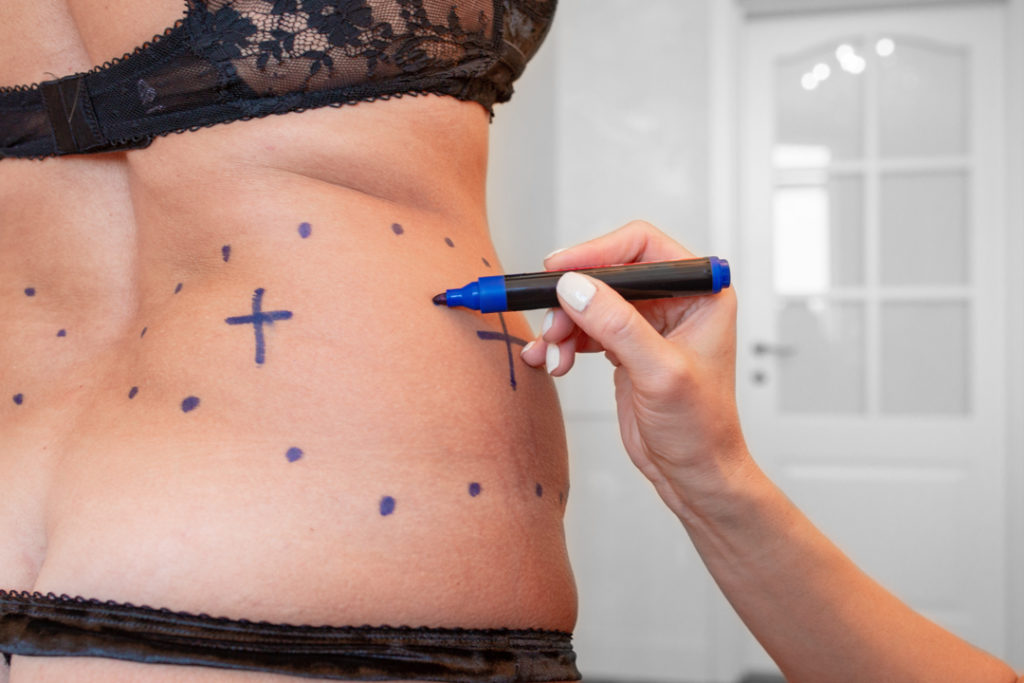
When people start researching liposuction, they usually ask one big question in different ways: how much of a change will I actually see? That is the right place to start. Liposuction can create a meaningful improvement in body contour, but it does not produce the kind of total-body transformation that advertising sometimes implies. The best results are often impressive in a quiet, proportional way. Clothes fit better. The waist looks cleaner in profile. The lower abdomen sits flatter. The jawline appears sharper. The patient still looks like themselves, just more balanced.
That distinction matters, especially for anyone searching for Liposuction Michigan options and trying to sort real outcomes from wishful thinking. In practice, realistic expectations lead to better decisions, smoother recoveries, and much higher satisfaction. Unrealistic expectations tend to create frustration, even when the surgery itself is technically successful.
The most reliable way to think about liposuction is as a contouring procedure. It removes localized fat deposits that have not responded to diet, exercise, or time. It is not a treatment for obesity. It is not a substitute for lifestyle changes. It also does not tighten skin the way many people hope it will. If you understand those boundaries from the beginning, the results tend to make far more sense.
What liposuction does well, and what it does not
Liposuction excels at reducing stubborn pockets of fat. The classic areas are the abdomen, flanks, thighs, hips, upper arms, back, under the chin, and in some cases the chest. The keyword there is pockets. Patients who get the best outcomes usually have one or more specific areas that seem out of proportion with the rest of their body.
A common example is the patient who has maintained a stable weight for years, exercises Liposuction Michigan regularly, and still cannot get rid of fullness in the lower abdomen or love handle area. Another is the woman whose outer thighs hold volume no matter how lean she becomes. Another is the man who is fit overall but carries a soft roll at the waistline that affects how dress shirts and tailored pants fit. Liposuction can be very effective in these situations because the problem is regional, not systemic.
What it does not do well is treat loose skin, separated abdominal muscles, cellulite, or generalized excess weight. If the skin has lost a lot of elasticity after pregnancy or major weight loss, removing fat may actually make looseness more obvious. That is one of the most misunderstood trade-offs. Patients often imagine that a flatter area will also look tighter. Sometimes it does, especially in younger patients with good skin recoil. Sometimes it does not.
The phrase “realistic expectations” sounds dry, but in surgery it is deeply practical. If someone expects to lose 40 pounds from liposuction, they are likely not a good candidate for liposuction alone. If someone expects a moderate but visible improvement in contour, and understands that shape matters more than scale weight, they are thinking like a strong candidate.
The scale usually matters less than the mirror
This surprises many people. A patient may have a beautifully improved waistline and still see only a modest change in body weight afterward. That is not a sign that the procedure failed. Fat removal changes volume and proportions more than it changes the number on the scale.
In many cases, the most noticeable result is how clothing fits. Waistbands may stop cutting in. Dresses may fall straighter. A fitted blazer may button more comfortably. Men often mention that T-shirts hang better across the midsection. Women often notice fewer bulges at the bra line or less fullness at the outer thigh seam of jeans. These are not trivial benefits. They are exactly the sorts of improvements that make patients feel that the procedure was worth it.
It is also common for swelling to blur the result early on. Some patients expect to wake up from surgery with a perfectly sculpted final shape. Real life is messier. There is bruising, fluid retention, temporary firmness, and fluctuations that can make one week look better than the next. The final result unfolds over time. A meaningful early improvement may be visible within several weeks, but refinement continues for months.
How much fat can actually be removed?
This is where a lot of online research becomes confusing. Different practices, facilities, and patient situations can lead to different limits, and those limits are not just about preference. They are about safety. Liposuction is safer and more predictable when the surgeon respects volume limits, patient size, operative time, fluid balance, and overall health.
Rather than fixating on a single number, it is more useful to understand that safe liposuction aims for a proportionate result, not maximum extraction. Taking too much can create contour irregularities, prolonged swelling, or a look that seems hollow in one position and uneven in another. Good body contouring is not a race to the highest aspirate volume. It is selective shaping.
Many experienced surgeons would rather leave a small amount of fat and preserve smoothness than chase absolute flatness and create dips, waviness, or skin adherence problems. Patients do not always appreciate that before surgery, but they usually do afterward. The best result often looks natural, not aggressively “done.”
The ideal candidate tends to look a certain way
Not a certain age or clothing size, but a certain pattern. The patient who does best is usually close to their goal weight, has maintained it for a while, and has localized fat deposits with reasonably good skin quality. Their expectations are specific. They might say, “I want my lower abdomen to project less in fitted clothing,” or “I want my jawline sharper from the side,” rather than “I want a whole new body.”
A few traits often predict a smoother path:
- Stable weight for several months or longer
- Good skin elasticity for age and area treated
- Non-smoker, or willing to stop as directed
- Clear understanding that liposuction contours, not tightens
- Commitment to maintaining results after recovery
Patients outside that profile can still be candidates, but the conversation needs more nuance. A person after substantial weight loss may benefit more from skin excision. A patient with significant muscle laxity after pregnancy may need an abdominoplasty rather than liposuction alone. Someone with diffuse central weight gain rather than isolated pockets may see less dramatic contour change than expected.
What the result actually looks like on different body areas
Liposuction is not one procedure in the visual sense. The abdomen behaves differently from the neck, the thighs differ from the arms, and the back can be surprisingly rewarding because even modest volume reduction changes how garments drape.
Abdomen and flanks
This is the area most people ask about first. Results can be excellent when the main issue is subcutaneous fat, especially around the lower abdomen and love handles. The waist often appears more defined, and the torso can look longer and leaner. In men, flank reduction can sharpen the V-shape of the trunk. In women, reducing the waist and lower abdomen can improve proportion between ribcage, waist, and hips.
The limitation is skin. If there is substantial looseness, stretch-related thinning, or a hanging lower abdominal fold, liposuction alone may flatten the area without truly tightening it. That distinction is one of the most common sources of disappointment when the preoperative consultation is not frank enough.
Thighs and hips
Outer thigh and hip contouring can be very effective, but it demands restraint and a good eye. Over-resection in the thighs can create unnatural transitions, especially when standing or walking. Well-done thigh liposuction usually makes the legs look narrower and smoother without erasing natural curves. Inner thigh treatment can reduce friction and improve comfort, but swelling in this area often lasts longer than patients expect.
Arms
Arm liposuction can reduce fullness and improve clothing fit, particularly in sleeves. It works best when skin elasticity is decent. In patients with significant laxity, fat removal may not solve the “hanging” appearance and can at times make it more obvious. The right candidate gets a cleaner silhouette. The wrong candidate needs skin tightening or arm lift surgery to reach their goal.
Neck and under the chin
Small-volume liposuction in the neck can produce one of the most striking changes, especially in profile photos. The challenge is that the neck has little room for error. Skin quality, age, anatomy under the muscle, and genetic factors all affect how crisp the result becomes. For the right patient, the jawline can look dramatically sharper. For others, improvement is meaningful but more subtle.
Back and bra line
This area does not get talked about enough. Patients are often surprised by how much better fitted tops, dresses, and bras sit after back liposuction. The change can be especially noticeable in photos from behind. Because the skin on the back often has better recoil than the lower abdomen, this can be a very satisfying area to treat.
How long it takes to see your real result
The mental picture many patients have is too linear. They expect a steady upward trajectory: surgery, then less swelling every day, then final result. Recovery rarely works like that. There are dips and plateaus. One area softens early while another stays firm. Compression garments help, but they do not erase biology.
A reasonable time frame looks more like this. During the first one to two weeks, you are seeing a mix of swelling, bruising, and early contour change. Around the one to three month range, many patients can appreciate a significant improvement, but residual swelling is still present. Between three and six months, contours usually refine further. In some areas, especially where swelling lingers or fibrosis develops, subtle changes can continue even longer.
That can be frustrating for people who are highly visual and check themselves in the mirror multiple times a day. I have seen patients become discouraged at four weeks, then delighted at four months. It is one reason surgeons emphasize patience so often. Not because it sounds reassuring, but because it is true.
The Michigan factor most patients do not think about
For patients considering Liposuction Michigan practices, the geography and climate can influence practical recovery more than people realize. A winter surgery, for example, has certain comforts. Compression garments are easier to hide under layered clothing, and many patients feel less self-conscious during the early swelling stage. On the other hand, icy sidewalks and reduced activity outdoors can make walking, which helps circulation and recovery, slightly less convenient.
Summer brings the opposite trade-off. It is easier to stay active, but compression garments can feel hot, and social calendars can make recovery timing less appealing. Patients with lake trips, weddings, or vacations on the horizon often underestimate how long it takes before swelling settles enough to feel fully confident in swimwear.
This is not a medical issue so much as a planning issue. If someone wants to look their best for a June event, a spring consultation may be too late depending on the extent of treatment. Good planning matters more than people expect.
Pain, downtime, and the reality of recovery
Most patients do not describe liposuction recovery as sharp pain so much as soreness, stiffness, and a bruised feeling. The sensation is often compared to an intense workout layered with tenderness. Smaller areas can be quite manageable. Larger-volume or multi-area treatments can feel more taxing.
Many people return to desk work within a few days to a week, depending on the extent of treatment and whether sedation or general anesthesia was used. That does not mean they feel normal. It means they are functional. Swelling, garment use, interrupted sleep, and temporary fatigue can continue well beyond the point when a person is “back to work.”
The texture changes can catch people off guard too. Treated areas may feel firm, lumpy, numb, or oddly sensitive for a period of time. This usually improves as healing progresses, but it is one of those normal experiences that can seem alarming if nobody prepared you for it.
Can the fat come back?
The fat cells removed by liposuction are gone. That part is straightforward. What is less straightforward is how the body responds to future weight gain. Remaining fat cells can still enlarge. So yes, if a patient gains a significant amount of weight after surgery, the contour can change and some of the benefit can be lost.
That said, many patients find the results motivating. When they can see a cleaner body line in the mirror, they become more likely to maintain the habits that support it. Stable results are very possible when weight stays relatively steady.
There is also a subtle point here. Even if some weight is gained later, the distribution may still look better than it did before surgery because the treated area has fewer fat cells than it originally had. That is not a guarantee, but it is a pattern surgeons and patients often notice.
The results people love most are not always the dramatic ones
The best outcomes are sometimes the least theatrical. A patient in her forties may Liposuction Michigan say that for the first time in ten years, pants fit her waist and hips at the same time. A man may notice he no longer tugs at his shirt before sitting down. A patient who had chin liposuction may simply feel more comfortable being photographed from the side. These are not flashy before-and-after slogans, but they are exactly the types of changes that drive satisfaction.
In practice, the happiest liposuction patients usually share three things. First, they picked the procedure for the right reason. Second, they chose it for the right problem. Third, they understood that improvement, not perfection, was the goal.
When liposuction is not enough
This is where good judgment matters more than enthusiasm. There are patients who absolutely should not have liposuction as a standalone procedure if they want a meaningful result. The post-pregnancy patient with stretched abdominal muscles and loose lower abdominal skin is a classic example. If she wants a tighter, flatter abdomen, liposuction alone will usually fall short. Similarly, a patient after major weight loss may need skin removal to address hanging tissue.
A surgeon who says no, or not this way, is not being difficult. That restraint is often a sign of experience. The goal is not to sell a procedure. The goal is to match the procedure to the anatomy.
Questions worth asking at a consultation
A strong consultation does more than confirm candidacy. It sharpens expectations. This is where a patient should ask what result is realistically achievable for their body, not for an idealized body in a photo gallery. Photos can help, but the conversation matters just as much.
You want direct answers to practical questions such as how much improvement is likely in your specific area, whether your skin will retract well, how visible the result may be in clothing and out of clothing, what the recovery timeline really looks like, and whether another procedure would better match your goals. If the answers sound vague or overly promotional, that is useful information too.
The bottom line on realistic results
For the right candidate, liposuction can produce a very satisfying change. Expect better shape, better proportion, and a cleaner silhouette. Expect some areas of clothing fit to improve dramatically. Expect recovery to take longer than a weekend and final refinement to take longer than social media suggests.
Do not expect it to serve as major weight-loss surgery. Do not expect it to tighten skin that truly needs excision. Do not expect every treated area to settle at the same pace. And do not judge your outcome too early.
If you are exploring Liposuction Michigan providers, the smartest mindset is simple: look for honesty, not hype. The best result is not the one that sounds biggest in a consultation. It is the one that still looks balanced, natural, and worth it months later, when swelling is gone, normal life has resumed, and you are no longer thinking about the surgery every day. That is the point at which realistic expectations and good surgical planning meet, and where liposuction tends to shine.
Aesthetic Plastic Surgery & Laser Center, Michelle Hardaway M.D.
27920 Orchard Lake Rd, Farmington Hills, MI 48334, United States
+1 248-221-1957
FAQ About Liposuction Michigan
Is 55 too old for liposuction?
Age 55 alone does not determine suitability. A surgeon evaluates overall health, skin quality, healing risks, and realistic goals. A personal consultation is needed to assess candidacy and discuss alternatives.
What happens 10 years after liposuction?
Contour improvements can last, especially with stable weight. Aging, pregnancy, and weight changes can alter the appearance over time. Results vary, and liposuction does not prevent future body changes.
Can lipo get rid of an apron belly?
Liposuction reduces localized fat but does not remove hanging excess skin. An apron belly may require assessment for a skin-removal procedure instead of, or alongside, fat removal. A qualified plastic surgeon can explain appropriate options and their risks.